

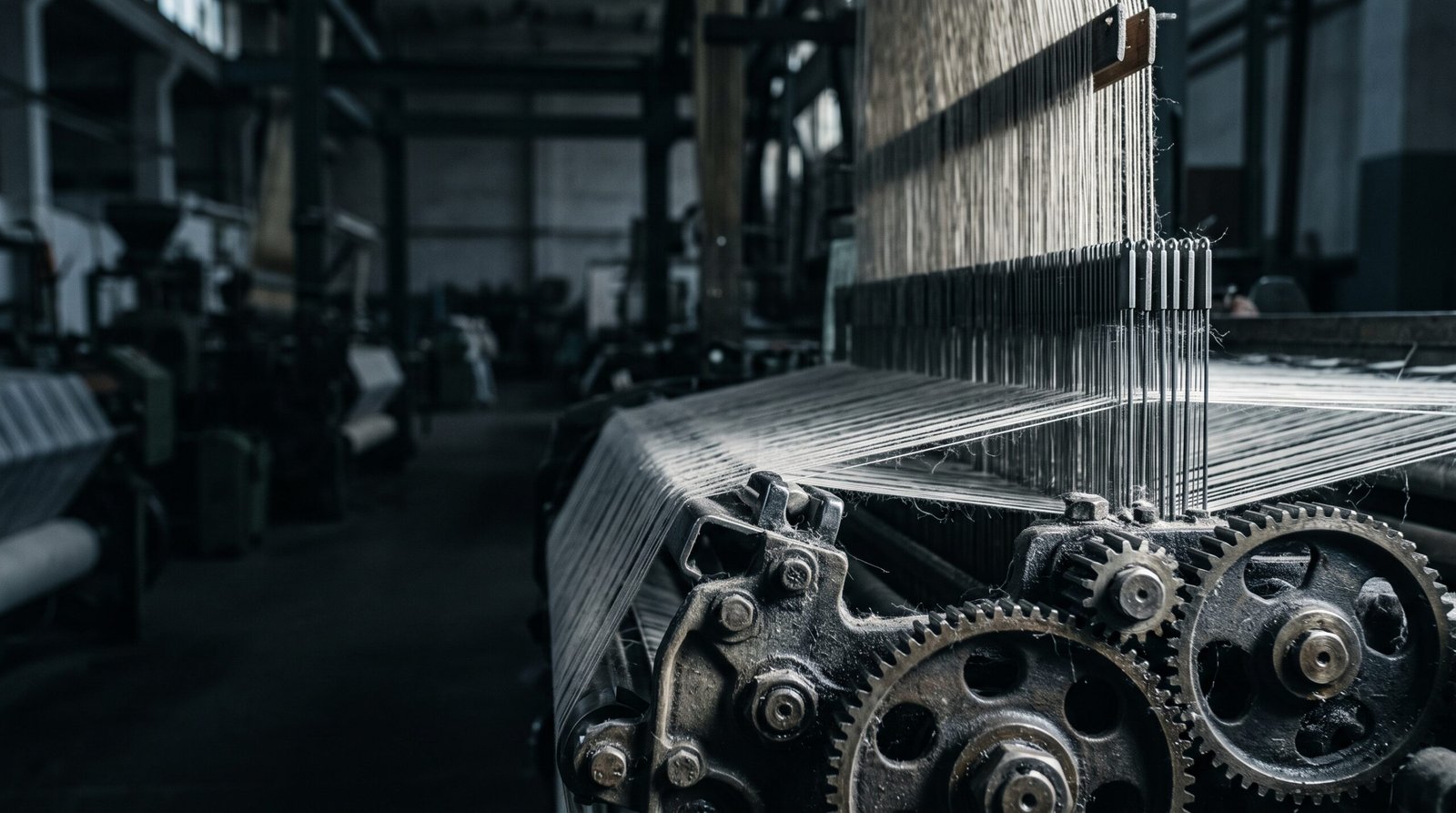
The All Pakistan Textile Mills Association (APTMA) has formally urged the federal government to exclude all categories of yarns and fabrics from the “Export Facilitation Scheme” (EFS), citing severe domestic market injury driven by massive tax evasion and import misdeclaration. The association warned that the unchecked diversion of duty-free imports into the local market is inflicting unsustainable damage on domestic spinning and weaving industries.
Imported inputs under the EFS currently enjoy complete exemption from customs duties and sales tax, while domestic manufacturers remain burdened by an 18% sales tax. This fiscal imbalance has created a systemic arbitrage opportunity, resulting in widespread under-invoicing and fraudulent cargo descriptions.
“Goods are being declared at artificially low values and, in some cases, incorrect quantities and descriptions to evade duties and taxes,” stated APTMA Chairman Asad Shafi. “This results in revenue losses and allows imported products to be sold at prices domestic manufacturers cannot compete with, forcing local mills to cut production or shut down.”
The misuse is acutely concentrated in Man-Made (MM) yarns and fabrics categorized under Chapter 55 of the Pakistan Customs Tariff. Market data reveals a massive discrepancy between raw material imports and finished exports:
-
MM yarn EFS imports skyrocketed from 3,056 metric tonnes in Q1-FY2024 to 12,773 metric tonnes in Q1-FY2027.
-
MM fabric EFS imports surged from 660 metric tonnes to 8,628 metric tonnes during the same period.
Despite this massive influx of raw materials, Pakistan’s synthetic textile exports have not registered a corresponding increase, effectively confirming substantial illegal diversion into the domestic economy.
“Pakistan Customs has recently detected cases where food colouring was applied to fabric to mis-declare it as dyed fabric and evade huge amounts of duties and taxes.”
While APTMA commended recent enforcement actions by Pakistan Customs to crack down on misdeclaration, the association maintains that fundamental structural loopholes remain.
The association noted that the previous exclusion of cotton yarn from the EFS yielded immediate positive macroeconomic results. Following its removal, cotton yarn imports plummeted by 42%, falling from 37,175 metric tonnes in the first quarter of FY2026 to 21,587 metric tonnes in the first quarter of FY2027.
To permanently seal revenue leaks, Shafi and the association are demanding the quarterly revision of customs values—which are currently outdated or illogically based on weight rather than metrage—and the mandatory implementation of electronic data exchange between Pakistan and international customs agencies to verify commercial invoices.
ٹیکسٹائل بحران نے ملکی سلامتی خطرے میں ڈال دی ھے ھمارے ارسطوں کو پاکستانی ٹیکسٹائل انڈسٹری کو دفن کرنے اور چائینا کی ٹیکسٹال انڈسٹری کی زیادہہ فکر ھے ایوب دور کے خاتمے کی شرعات لا ئل پورک مزدوروں نے ھی شروع کی تھی نتاریخ پھر اپنے آپ کو دھرابے ہر تلی ھوئ ھے ے