

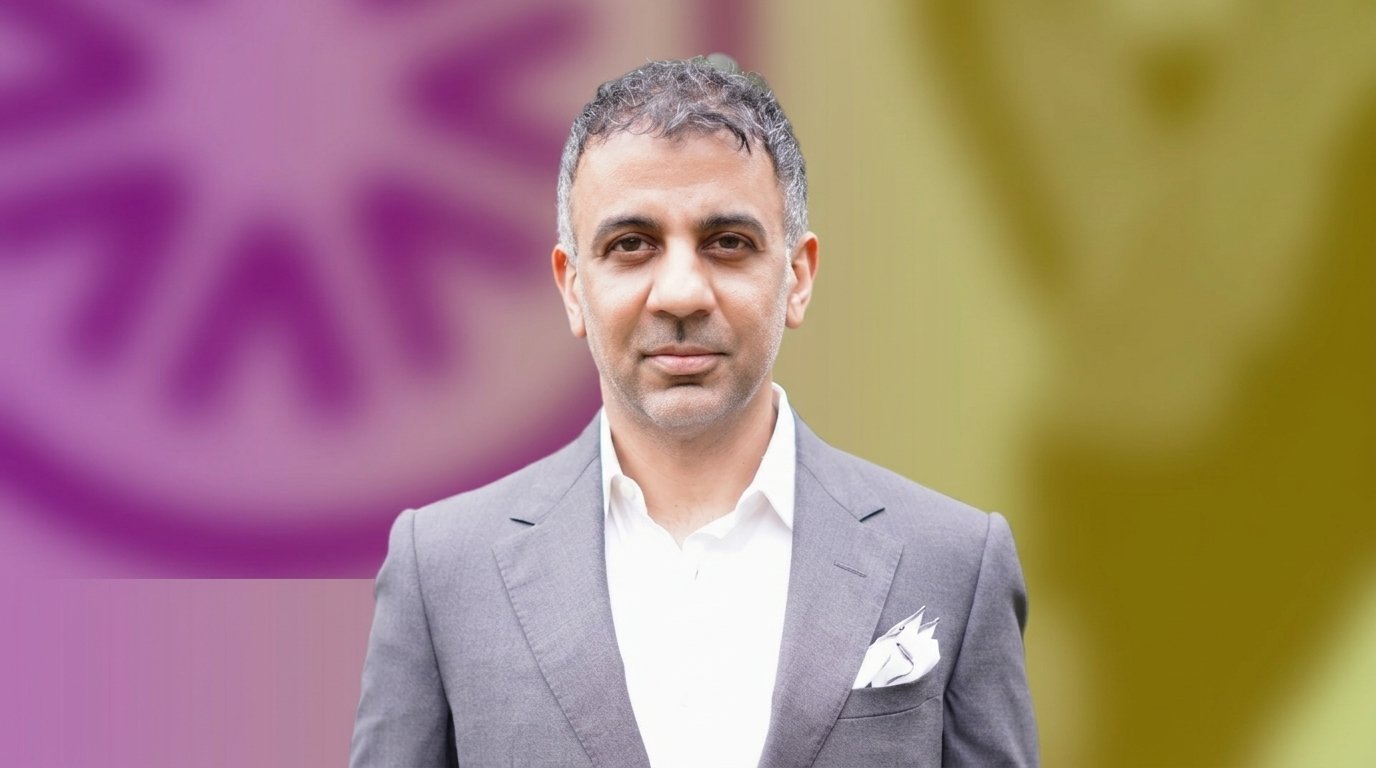
LAHORE: Pakistan’s cement industry is showing signs of a meaningful recovery after three consecutive years of declining domestic demand, with consumption projected to grow by another 7–8 per cent in FY2027, according to Sayeed Tariq Saigol, Chief Executive Officer of Maple Leaf Cement Factory Limited.
In an exclusive interview with The Scoop, Saigol outlined the company’s strategy following its acquisition of Pioneer Cement, discussed the changing dynamics of Pakistan’s cement industry and revealed how the wider Kohinoor Maple Leaf Group intends to strengthen its position through operational efficiencies, energy optimisation and diversification into healthcare, fertilisers and other sectors.
According to Saigol, domestic cement sales increased by approximately 9.5 per cent to 41.5 million tonnes in FY2026, marking a significant turnaround after three consecutive years of declining demand.
He attributed the recovery to improving macroeconomic stability, easing inflation, lower interest rates and greater exchange rate stability, which have begun supporting construction activity and consumer confidence.
However, he cautioned that sustaining this momentum would require continued economic stability, affordable housing finance and policies encouraging construction and infrastructure development.
One of the most significant developments discussed during the interview was Maple Leaf Cement’s acquisition of Pioneer Cement, which Saigol described as a strategic step towards strengthening the group’s manufacturing capacity, market share and long-term profitability.
He disclosed that Maple Leaf Cement’s stake in Pioneer reached 77.38 per cent during FY2026, while the wider group’s collective shareholding increased to 88.28 per cent, bringing Pioneer under the group’s control.
The acquisition, he explained, is expected to generate operational synergies, improve cost efficiencies and contribute meaningfully to future earnings and cash flows.
Despite the enlarged manufacturing footprint, Saigol indicated that the company’s immediate focus would remain on consolidating its existing operations rather than pursuing further major capacity expansion.
He also highlighted the substantial burden of energy costs on Pakistan’s cement manufacturers, revealing that fuel and electricity account for more than 60 per cent of total manufacturing costs.
To address these pressures, Maple Leaf has invested in waste heat recovery, solar power, coal-based generation and alternative fuels, reducing its reliance on electricity from the national grid and exposure to imported energy.
Beyond cement manufacturing, Saigol discussed the group’s diversification strategy, including the development of Novacare Hospital in Islamabad and its investment in Agritech Limited, in which the Maple Leaf Group holds a 40.21 per cent stake.
He also addressed cement pricing, allegations of anti-competitive practices, export opportunities in neighbouring markets and the policy measures required to revive Pakistan’s construction sector.
The following is the complete exclusive interview.
Q1. The cement industry has gone through a difficult period of weak domestic demand, high energy costs and intense pricing pressure. How do you assess the current state of Pakistan’s cement sector, and when do you expect a meaningful recovery in domestic demand?
Sayeed Tariq Saigol: Pakistan’s cement industry has been through a challenging period over the past few years, with weak domestic demand, high energy costs and pricing pressure. However, we are now seeing a meaningful turnaround.
The improvement in macroeconomic stability, easing inflation, lower interest rates and greater exchange rate stability have started to support construction activity and consumer demand.
This recovery is already reflected in the numbers. Domestic cement sales grew by approximately 9.5 per cent in FY2026, reaching 41.5 million tonnes, following three consecutive years of declining demand. This is an encouraging sign for the industry.
Going forward, we expect the recovery to continue, with domestic demand potentially growing by around 7–8 per cent in FY2027, provided macroeconomic stability is maintained.
Government initiatives to facilitate affordable housing finance could provide an additional boost to cement consumption as they translate into actual construction activity.
On the cost side, the industry has been focusing on operational efficiencies, cost controls and the use of more economical fuels to manage energy costs and improve environmental performance.
The outlook for domestic demand is more encouraging than it was over the past few years.
Overall, we believe the recovery has already begun, and the priority now is to sustain this momentum through continued economic stability and affordable financing.
Q2. Maple Leaf Cement has maintained a strong position in the northern market. What are the company’s key competitive advantages today, and how is Maple Leaf preparing for the next phase of competition within the industry?
Sayeed Tariq Saigol: Maple Leaf Cement has established a strong position in Pakistan’s cement industry, particularly in the northern market, through its manufacturing scale, strategic location, cost efficiencies and established brand presence.
Our manufacturing facility is one of the largest integrated cement manufacturing sites in northern Pakistan, with access to both the railway network and major road infrastructure. This provides important logistical advantages in the distribution of finished products.
The acquisition of Pioneer Cement has further expanded the group’s manufacturing capacity, strengthening its ability to serve both local and regional markets.
A key competitive advantage is our continued focus on reducing production costs and improving energy efficiency.
We have developed a procurement network across Punjab to source agricultural waste and other alternative fuels, reducing our exposure to imported fuels and supporting our efforts to lower the carbon intensity of production.
We have also invested in diversified in-house power generation infrastructure, including waste heat recovery, solar and coal-based power generation.
This helps reduce our reliance on relatively expensive electricity from the national grid and provides greater control over our energy costs.
Alongside these initiatives, we continue to focus on operational efficiencies, procurement discipline and administrative cost control to remain competitive.
Equally important is our investment in brand building, dealer relationships and market development.
Over the years, we have worked to strengthen Maple Leaf’s brand recognition, expand our distribution network and reinforce customer confidence in the quality and consistency of our products.
Looking ahead, the next phase of competition will increasingly be determined by cost leadership, energy efficiency, distribution strength and the ability to maintain product quality while operating in a highly competitive market.
Our strategy is to build on these strengths, capture the benefits of our expanded manufacturing capacity and continue improving productivity and cost efficiency.
We believe this combination of manufacturing scale, energy advantages, market reach and a well-established brand provides Maple Leaf Cement with a strong platform to compete and create long-term value.
Q3. Cement prices have remained a major concern for consumers, builders and policymakers. How do you view the relationship between cement prices, production costs and industry margins, and what factors will determine pricing going forward?
Sayeed Tariq Saigol: Cement pricing plays an important role in maintaining industry margins while supporting sustainable market demand.
The cement industry recognises that pricing must reflect the underlying cost of production while remaining acceptable to customers and supportive of construction activity.
To manage this balance, we have continued to focus on reducing manufacturing costs and improving operational efficiency.
Over many years, the industry has undertaken initiatives involving alternative fuels, waste heat recovery, solar power, in-house power generation and other efficiencies that have helped mitigate the impact of rising input costs.
At the same time, the industry has faced significant inflation in energy, transportation, labour, maintenance and other operating costs.
A portion of these increases has necessarily been reflected in cement prices.
However, pricing decisions must be considered carefully, as excessive increases could affect affordability, construction activity and overall market demand.
Our approach has therefore been to balance the need to recover cost increases with the need to preserve market competitiveness and support continued consumption.
Going forward, cement prices will be determined by a combination of production costs, industry capacity utilisation, demand and supply conditions, fuel and electricity prices, exchange rate movements, transportation costs, taxation and the competitive environment.
The industry’s ability to improve efficiency and absorb part of the cost pressure will also remain important.
Q4. Energy is one of the biggest cost components for cement manufacturers. What steps has Maple Leaf taken to improve energy efficiency, increase the use of alternative fuels and reduce its dependence on expensive conventional energy sources?
Sayeed Tariq Saigol: Energy, including fuel and electricity, accounts for more than 60 per cent of the total cost of cement manufacturing.
Accordingly, improving energy efficiency and reducing energy costs have been key priorities for Maple Leaf Cement.
On the power side, we have invested in an integrated in-house generation mix comprising waste heat recovery plants, solar power and coal-fired power plants.
This enables us to meet our electricity requirements through our own generation facilities, significantly reducing our dependence on expensive electricity from the national grid.
On the fuel side, we have optimised our fuel mix through the use of petroleum coke, locally sourced coal and alternative fuels.
These initiatives help reduce fuel costs, limit exposure to imported energy prices and foreign exchange fluctuations, and improve overall cost competitiveness.
Going forward, we will continue to focus on energy efficiency, fuel optimisation and the increased utilisation of locally available alternative fuels.
These initiatives will remain central to strengthening Maple Leaf Cement’s cost competitiveness while supporting more sustainable cement manufacturing.
Q5. Maple Leaf Cement has increased its investment in Pioneer Cement. What is the strategic rationale behind this acquisition, and how do you see Pioneer contributing to the group’s long-term strategy?
Sayeed Tariq Saigol: The acquisition of Pioneer Cement is a strategic step towards strengthening Maple Leaf Cement Group’s position in Pakistan’s cement industry.
During FY2026, Maple Leaf Cement’s stake in Pioneer reached 77.38 per cent, while the wider group’s holding increased to 88.28 per cent, making Pioneer a subsidiary under its control.
The acquisition has significantly expanded the group’s manufacturing capacity and market share in northern Pakistan, while creating opportunities for operational synergies, cost efficiencies and improved profitability.
Going forward, Pioneer is expected to make a meaningful contribution to the group’s earnings and cash flows, supporting sustainable growth and long-term shareholder value.
Q6. Pakistan has significant potential for infrastructure, housing and construction activity, but financing costs and economic uncertainty continue to constrain demand. What policy measures would you like to see from the government to revive construction and housing demand?
Sayeed Tariq Saigol: Pakistan’s economy is gradually moving from stabilisation towards a more growth-oriented environment.
Interest rates have declined from a peak of 22 per cent to 11.5 per cent, foreign exchange reserves have improved, and the exchange rate has remained relatively stable, supporting business confidence.
The government has introduced subsidised financing for house construction.
Further reductions in borrowing costs, improved access to housing finance, tax incentives and a consistent regulatory framework would help unlock Pakistan’s housing and construction potential.
Partial implementation of such measures has supported a recovery in cement demand, which increased by approximately 10 per cent in FY2026.
Demand is projected to grow by a further 7–8 per cent in FY2027, supported by improving economic conditions and housing activity.
Q7. Exports remain an important opportunity for Pakistan’s cement industry. Which international markets do you believe offer the greatest potential for Pakistani cement and clinker, and what needs to change to make exports more competitive?
Sayeed Tariq Saigol: Pakistan’s cement manufacturers produce cement and clinker that meet international quality standards.
Historically, cement from Pakistan has been exported to the Middle East, Africa, the United States and South Asia.
However, rising production and freight costs, anti-dumping duties in certain markets and geopolitical tensions have affected the competitiveness of Pakistani exports.
This is particularly challenging for cement manufacturers located in northern Pakistan, where transportation costs to seaports are relatively high.
For northern producers, neighbouring markets such as Afghanistan and India have historically offered natural export opportunities because of their geographical proximity and lower transportation costs.
However, political and security challenges have severely constrained trade with these markets.
A sustainable improvement in regional relations and the reopening of trade routes could create significant opportunities.
To make exports more competitive, Pakistan needs to reduce logistics and energy costs, improve port and rail connectivity, facilitate access to new markets and address trade barriers.
Greater regional trade and a more competitive cost structure would help the industry expand exports, utilise surplus capacity and earn valuable foreign exchange.
Q8. The industry has faced repeated allegations and regulatory scrutiny regarding coordinated pricing and anti-competitive behaviour. What is your assessment of the current competitive environment in the cement sector, and how important is greater transparency for restoring public confidence in the industry?
Sayeed Tariq Saigol: Pakistan’s cement industry operates in a highly competitive environment, with more than 20 manufacturers and significant excess capacity relative to domestic demand.
This competition encourages manufacturers to continuously improve operational efficiency, reduce production costs and offer competitive prices to consumers.
We believe transparency, fair competition and compliance with regulatory requirements are essential to maintaining public confidence.
Any concerns regarding market conduct should be addressed through transparent, evidence-based regulatory processes.
We believe that, ultimately, sustainable competition benefits consumers and strengthens the industry as a whole.
Q9. Maple Leaf Cement has invested substantially in expanding and modernising its production capacity. Looking ahead over the next five years, do you see the company pursuing further capacity expansion, acquisitions, diversification or greater investment in downstream construction materials?
Sayeed Tariq Saigol: With the cement industry currently operating at relatively low capacity utilisation, we believe existing capacity should be sufficient to accommodate domestic demand growth over the next few years.
Accordingly, Maple Leaf Cement’s immediate priority is to consolidate the benefits of its recent expansion and the acquisition of Pioneer Cement, while improving operational efficiency and strengthening its financial position.
At the same time, the group is diversifying its business portfolio.
This includes the development of Novacare Hospital in Islamabad, a state-of-the-art healthcare project supported by international consultants, and an investment in Agritech Limited, in which the Maple Leaf Group holds a 40.21 per cent stake.
Over the next two years, our focus will remain on consolidation and value creation.
Further capacity expansion or acquisitions will be considered as market demand evolves and new opportunities emerge over the next few years.
Q10. Finally, what is your long-term vision for Maple Leaf Cement and the wider Kohinoor Maple Leaf Group? What would you like Maple Leaf to look like five years from now, both within Pakistan and in international markets?
Sayeed Tariq Saigol: The Kohinoor Maple Leaf Group’s long-term vision is built on sustainable growth, diversification and long-term value creation.
From its origins as a textile composite business, the group has evolved into a diversified conglomerate with a major cement manufacturing operation in northern Pakistan, a capital investment portfolio through Maple Leaf Capital Limited, a state-of-the-art hospital project and a significant investment in the fertiliser sector.
Over the next five years, our objective is to strengthen the competitiveness and profitability of our existing businesses, pursue disciplined expansion and explore further diversification into sectors offering attractive long-term growth opportunities.
For Maple Leaf Cement, this means reinforcing its market leadership, improving operational efficiency and remaining competitive in the markets.
Ultimately, we aim to build a stronger, more diversified group that delivers sustainable earnings growth, enhances shareholder value and contributes meaningfully to Pakistan’s economic development.
1 comment