

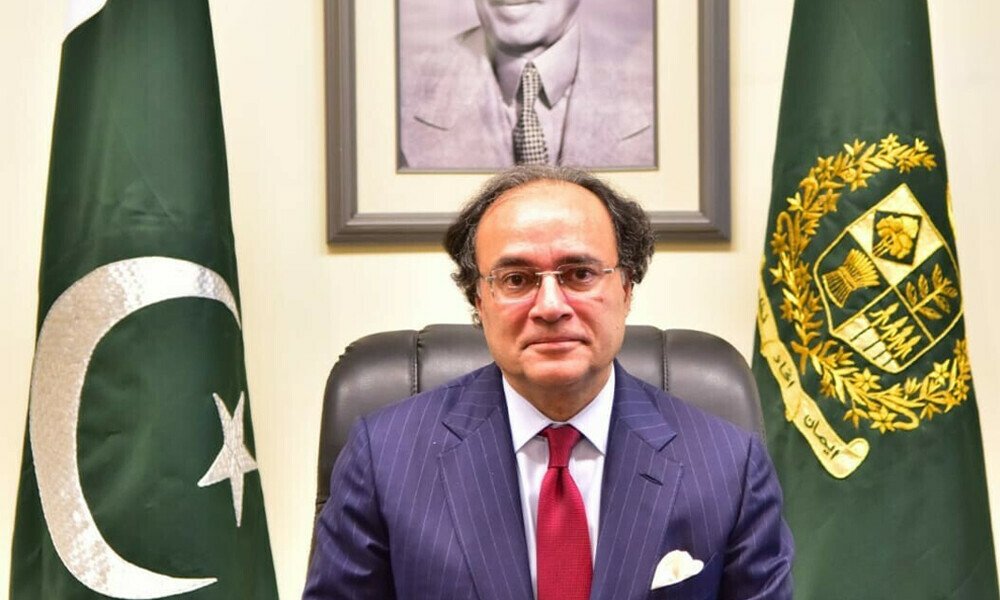
Federal Minister for Finance and Revenue Muhammad Aurangzeb has doubled down on Pakistan’s commitment to executing sweeping structural overhauls mandated by the International Monetary Fund, warning that strict adherence to the taxation, energy, and state-owned enterprise reform agenda is mandatory to secure macroeconomic survival.
Addressing global financial leaders at a specialized panel on “Mitigating Sovereign Risks in Market-Access Countries” during the World Bank Group–IMF Annual Meetings 2026 in Bangkok, Aurangzeb delivered a stark assessment of the sovereign’s fiscal trajectory. The finance minister confirmed that Islamabad is actively shifting away from short-term emergency borrowing, opting instead to execute a highly structured debt management strategy designed to aggressively extend debt maturities and neutralize persistent rollover risks.
“Aurangzeb said continued implementation of reforms was necessary to translate macroeconomic stability into sustainable growth and improved public welfare.”
Operating under the IMF framework, the Ministry of Finance is targeting stringent fiscal consolidation. Aurangzeb pointed to recent data indicating easing domestic inflation and the gradual rebuilding of the central bank’s foreign exchange reserves as proof of concept. He emphasized that aggressive revenue mobilization, pension system reform, and state-led expenditure restraint are non-negotiable components of the government’s mandate.
The minister clarified that Pakistan’s renewed access to international capital markets is entirely strategic. The administration intends to leverage this liquidity exclusively to optimize the country’s external liability profile without expanding the overall national debt stock.
Parallel to the multilateral engagements, Aurangzeb executed a high-level strategic meeting with the senior management of Mashreq Bank to authorize and expand the financial institution’s digital banking footprint within the domestic economy. The bilateral discussions centered heavily on deploying technology-driven financial services and expanding microfinance access to unbanked demographics.
The Ministry of Finance is explicitly pushing for the expansion of offshore service operations, aiming to export Pakistan’s skilled digital workforce while establishing targeted foreign-currency products and digital accounts designed to capture capital from overseas workers across the Gulf Cooperation Council markets.
“Discussions also covered expanding offshore service operations by leveraging Pakistan’s skilled workforce, introducing digital accounts for overseas Pakistanis and developing foreign-currency products.”
In a clear pivot toward advanced financial technology, Aurangzeb and the Mashreq Bank executives explored the integration of “blockchain technology” and the “tokenisation” of digital assets directly within Pakistan’s rapidly evolving regulatory framework. The bank is concurrently evaluating structured support for the sovereign’s impending issuance of Islamic Sukuks and additional tranches of yuan-denominated “Panda bonds”, anchoring Islamabad’s “medium-term debt management strategy”.
Read More: Pakistan Expands Sovereign Debt Strategy With Additional Panda Bonds And Proposed Samurai Issuance