

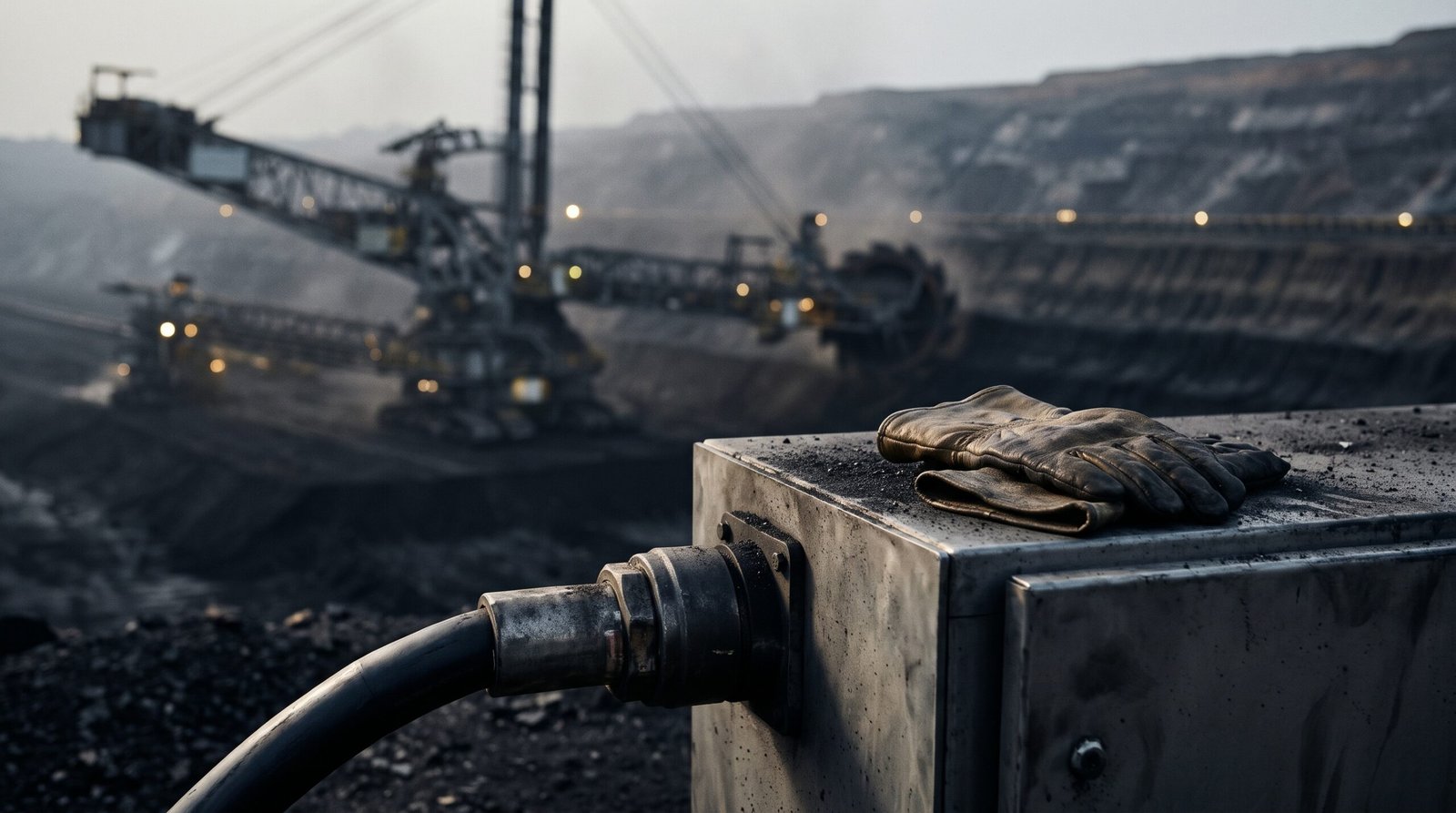
ISLAMABAD: The federal government has officially commenced a major infrastructure project to fully electrify coal mining operations in Thar Block I and Block II, aggressively shifting the energy-intensive industry away from expensive, imported diesel to the national power grid. The transition is projected to save Pakistan between $25 million and $30 million in foreign exchange annually.
The strategic development was reviewed in a high-level meeting chaired by the Federal Minister for Power, Sardar Awais Ahmad Khan Leghari. The session included key representatives from the Thar Coal and Energy Board (TCEB), Sindh Engro Coal Mining Company (SECMC), Sino Sindh Resources Limited (SSRL), the Power Division, and the Hyderabad Electric Supply Company (HESCO).
According to an official statement released on Wednesday, the primary contract has been awarded, the contractor has successfully mobilized on-site, and the project timeline has been aggressively fast-tracked. Initially targeted for completion by late 2028, the project has been brought forward by roughly eight to nine months, with a new completion deadline set for the first quarter of 2028 (by April).
Slashing Production Costs by 60%
The electrification project will physically connect mining operations in both operational blocks directly to the national grid via a new 132kV transmission infrastructure linked to the Islamkot Grid Station. This infrastructure will supply approximately 60 megawatts of electricity directly to the mining sites.
The financial logic underpinning the project is stark. Currently, power generation for mining operations—relying on massive diesel generators—costs the industry approximately 33 cents per kilowatt-hour. Once connected to the grid, that cost will plummet to 13 cents per kilowatt-hour, representing a massive reduction of over 60%.
The current mining operations are highly diesel-intensive, burning between 200,000 and 250,000 litres of diesel every single day. A significant portion of this—about 35,000 litres daily—is consumed by dewatering operations alone. According to the Ministry of Energy, the shift to grid electricity will generate daily diesel savings of around Rs25 million.
As a direct result of these operational savings, the cost of coal production is expected to fall by roughly $0.70 per tonne. This reduction in the base commodity cost will subsequently lower the coal tariff, ultimately decreasing the overall power purchase basket cost for Pakistani consumers.
Decarbonization and EV Deployment
Beyond pure economics, the project carries significant environmental benefits. The transition away from on-site diesel generators is projected to slash carbon emissions at the mining sites by approximately 80,000 tonnes a year.
Furthermore, the electrification of the site infrastructure will pave the way for a major transition in the heavy mining vehicle fleet. During the review meeting, the managing director of TCEB briefed the Power Minister that both blocks are actively pursuing the deployment of Electric Vehicles (EV). Thar Block I is planning to induct approximately 40 heavy EV trucks by the end of the current year. Meanwhile, Block II aims to initiate its own EV deployment in 2028, synchronizing the rollout with the completion of the new grid connectivity.