

Pakistan’s net textile exports increased by approximately $930 million during the financial year 2025-26, reaching $11.48 billion compared with $10.55 billion in the preceding year, as reforms under the “Export Facilitation Scheme” (EFS) helped reduce import dependence and strengthen domestic value addition, according to All Pakistan Textile Mills Association (APTMA) Chairman Asad Shafi.
In a statement issued on Wednesday, Asad Shafi congratulated Prime Minister Shehbaz Sharif and his economic team for introducing reforms and strengthening monitoring mechanisms that, according to him, improved the textile industry’s net foreign exchange contribution without adversely affecting gross exports.
Shafi maintained that the reforms demonstrated how targeted policy interventions could protect domestic manufacturing, reduce unnecessary imports and improve Pakistan’s external sector performance.
Textile Imports Decline As Net Exports Rise
According to figures shared by Asad Shafi, Pakistan’s gross textile exports remained largely stable at $17.93 billion in FY2026 compared with $17.89 billion in FY2025.
However, textile imports declined significantly from $7.36 billion to $6.46 billion during the same period, representing a reduction of approximately $900 million.
Consequently, net textile exports, calculated by subtracting textile imports from gross textile exports, increased from $10.55 billion to $11.48 billion.
“Shafi described the improvement as a significant achievement, particularly against the backdrop of weak international demand, elevated domestic production costs and challenging global economic conditions.”
He argued that the improvement highlighted the importance of evaluating export performance through net foreign exchange earnings rather than focusing exclusively on gross export figures.
Cotton Yarn Imports Fall Over 40%, Raw Cotton Imports Drop 43%
One of the most significant developments highlighted by Asad Shafi was the sharp decline in imports of cotton yarn and raw cotton following their exclusion from the “Export Facilitation Scheme” in August 2025.
Cotton yarn imports declined by 40.17%, falling from $754.74 million in FY2025 to $451.55 million in FY2026.
In terms of quantity, cotton yarn imports decreased by 47.05%, from 220,548 tonnes to 116,769 tonnes.
Similarly, raw cotton imports dropped by 43.28%, declining from $2.69 billion to $1.53 billion during the corresponding period.
Shafi attributed the decline partly to the government’s decision to remove these products from the “EFS framework”, which had previously allowed qualifying exporters to import inputs without paying customs duties and sales tax.
He maintained that the policy adjustment encouraged greater reliance on domestic textile inputs while supporting Pakistan’s spinning and other upstream manufacturing segments.
Domestic Cotton Arrivals Increase Despite Lower Cultivation Area
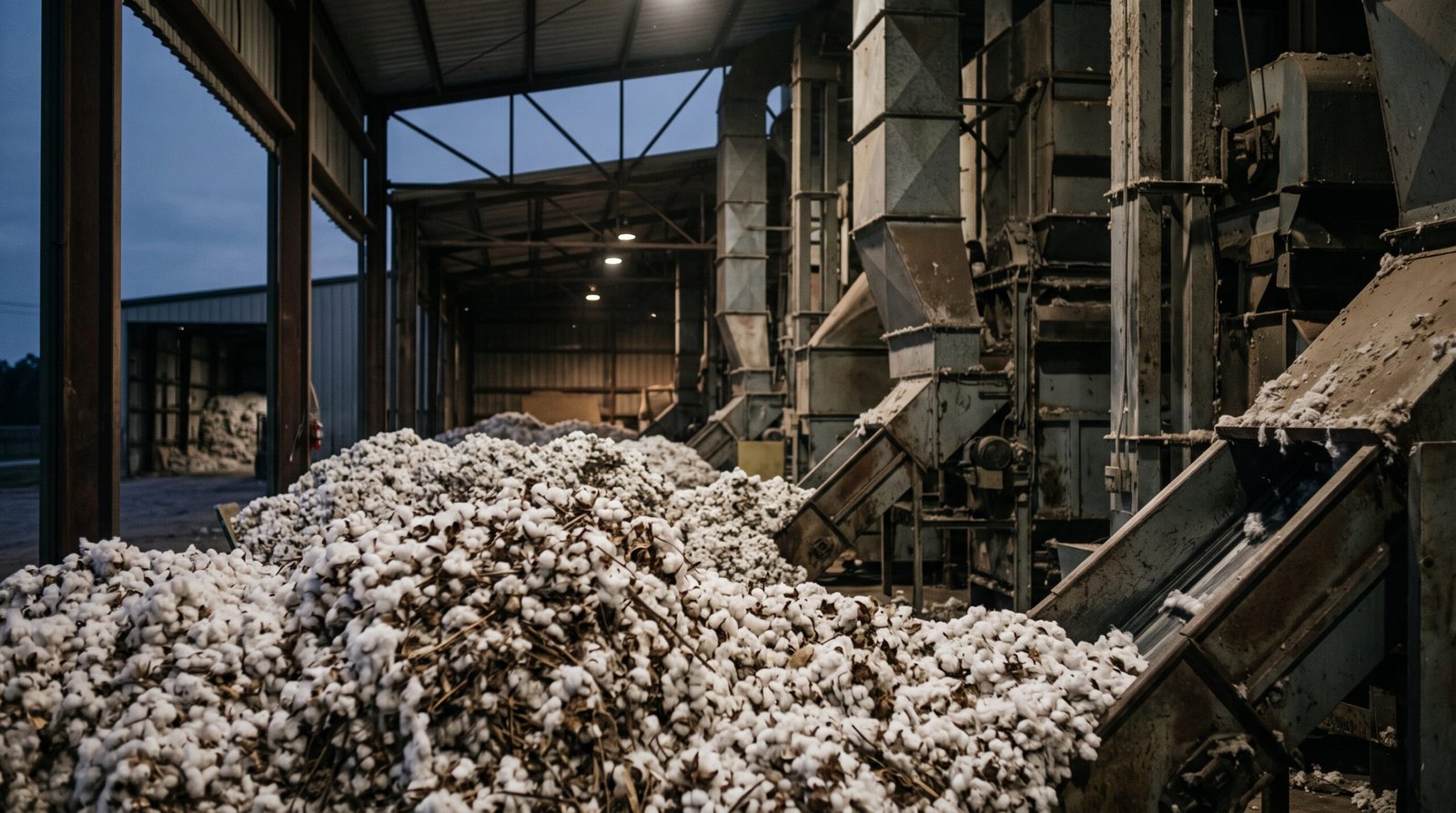
Asad Shafi also highlighted encouraging developments in domestic cotton production, reporting that cotton arrivals increased by 7.53% despite a reduction in the area under cultivation.
According to the APTMA Chairman, cotton arrivals reached 4.081 million bales as of October 15, 2026, compared with 3.796 million bales during the corresponding period last year.
The increase was recorded despite a 12.6% decline in cotton acreage, suggesting an improvement in cotton arrivals relative to the area cultivated.
Also Read: National Bank Of Pakistan Posts Rs45.1 Billion Profit In Nine Months Of 2026
Shafi linked the development to improving conditions for domestic cotton producers following changes in the treatment of imported cotton and yarn.
He emphasised that strengthening the domestic cotton supply chain remained essential for protecting Pakistan’s integrated textile industry and reducing its dependence on foreign inputs.
Asad Shafi Calls For Equal Tax Treatment Under EFS
Despite welcoming the government’s reforms, Asad Shafi expressed concern over continuing disparities in the tax treatment of imported and locally manufactured textile inputs.
Under the existing “EFS framework”, eligible imported inputs are exempt from customs duty and sales tax, while locally manufactured inputs generally remain subject to 18% sales tax.
According to Shafi, this disparity creates a significant competitive disadvantage for domestic manufacturers, particularly spinning and weaving units supplying yarn and fabric to export-oriented businesses.
He argued that imported inputs enjoy substantial tax and cash-flow advantages, potentially encouraging exporters to source raw materials internationally even when comparable products are available domestically.
The APTMA Chairman also warned that weaknesses in monitoring could create opportunities for misdeclaration and the diversion of duty-free imported goods into the domestic market, potentially causing revenue losses and harming local manufacturers.
He urged the government to address these concerns through improved enforcement while ensuring that genuine exporters continued receiving necessary facilitation.
High Energy Tariffs And Financing Costs Remain Major Challenges
The textile industry continues to face structural challenges arising from high energy tariffs, taxation and financing costs, Asad Shafi observed.
He maintained that these pressures undermine the competitiveness of Pakistani manufacturers in international markets, particularly when competing economies offer more favourable industrial and export policies.
Shafi stressed that Pakistan possesses a comprehensive textile value chain extending from cotton cultivation and ginning to spinning, weaving, processing, garments and home textiles.
“Preserving this industrial ecosystem, he argued, is essential for generating employment, supporting domestic investment and maximising foreign exchange earnings.”
He cautioned that export policies favouring imported inputs over locally manufactured products could weaken upstream industries and ultimately undermine the country’s long-term industrial competitiveness.
Asad Shafi Appreciates Prime Minister And Economic Team
Asad Shafi congratulated Prime Minister Shehbaz Sharif, Deputy Prime Minister Ishaq Dar, Finance Minister Muhammad Aurangzeb, Commerce Minister Jam Kamal Khan, Planning Minister Ahsan Iqbal, Special Assistant to the Prime Minister on Industries Haroon Akhtar Khan and Minister of State for Finance Bilal Azhar Kayani for their contributions to the reform process.
He also acknowledged Director General SIFC General Asad Cheema and the Federal Board of Revenue for their roles in strengthening implementation, monitoring and enforcement.
Shafi expressed hope that the government’s ongoing review of the “Export Facilitation Scheme” would further strengthen domestic value addition by addressing tax disparities and encouraging greater utilisation of locally manufactured inputs.
Focus Must Shift Towards Net Foreign Exchange Earnings
The APTMA Chairman emphasised that Pakistan’s export strategy should increasingly focus on maximising net foreign exchange earnings rather than merely expanding gross export volumes.
He maintained that reducing avoidable imports, strengthening domestic sourcing and improving the competitiveness of local manufacturers could deliver substantial economic benefits.
Shafi reiterated the association’s commitment to supporting export growth across the entire textile value chain and urged policymakers to ensure that all segments of the industry benefit from a balanced and sustainable “export facilitation framework”.
He concluded that the objective should be higher exports, fewer unnecessary imports and a stronger domestic textile industry capable of competing effectively in global markets.