

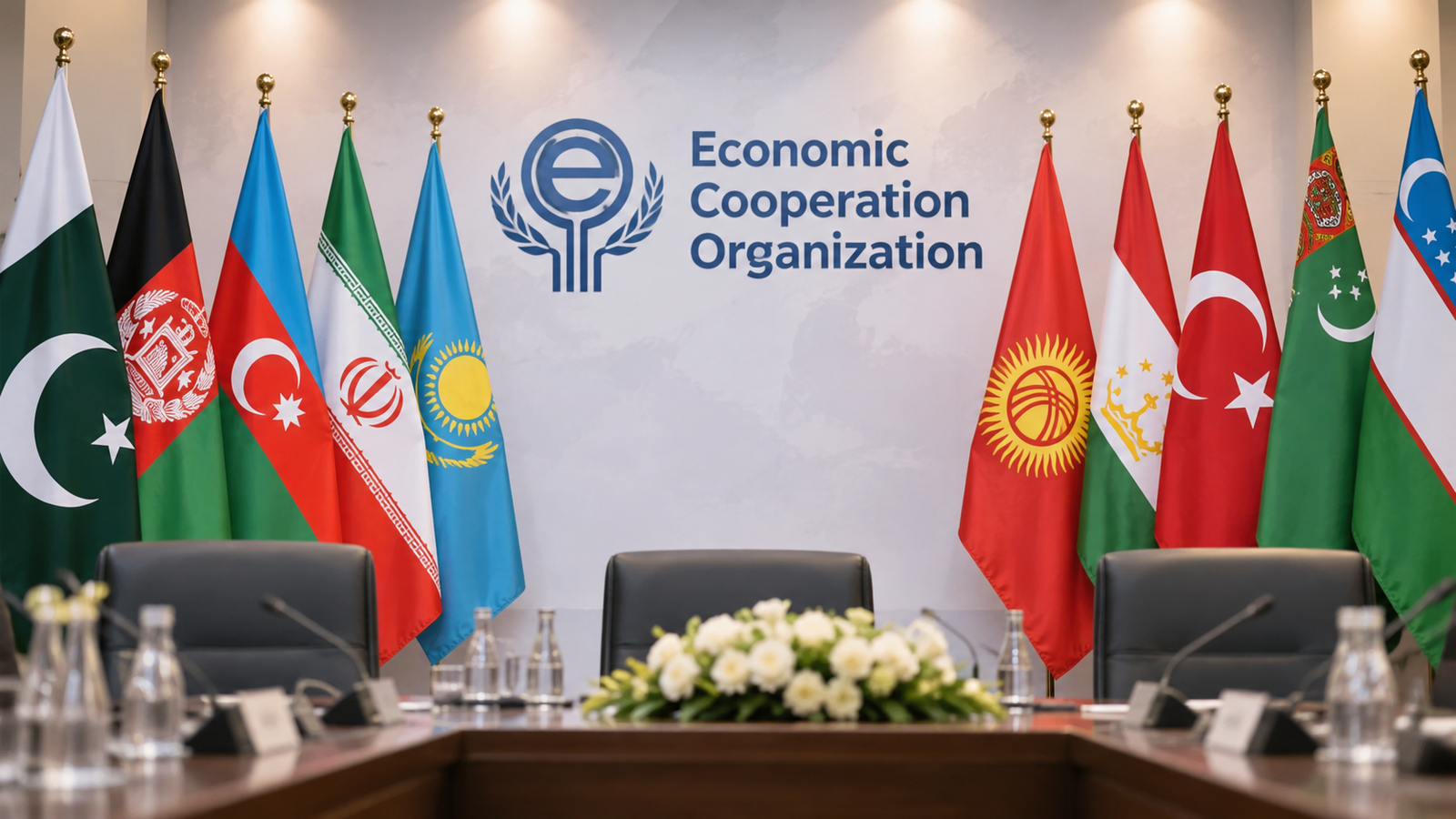
Islamabad is currently hosting the two-day 30th meeting of the Economic Cooperation Organisation Council of Ministers. Foreign delegations continue to arrive in the capital for the high-level regional gatherings.
Delegations And Ministerial Leadership
The Foreign Office announced that officials received Turkish Deputy Foreign Minister Musa Kulaklikaya upon his arrival. Additional arrivals include Azerbaijan’s Deputy Foreign Minister Elnur Mammadov, Kazakhstan’s Deputy Foreign Minister Arman Issagaliyev, Shanghai Cooperation Organisation Deputy Secretary General Ahmad Saidmurodzoda, and Organisation of Islamic Cooperation Secretary General Ismail Ould Cheikh Ahmed. Furthermore, Foreign Minister of the Turkish Republic of Northern Cyprus Tahsin Ertugruloglu arrived in the capital.
Deputy Prime Minister and Foreign Minister Ishaq Dar will chair the ministerial session. The meetings involve foreign ministers and heads of delegation from member states, alongside representatives from the organisation’s secretariat and subsidiary bodies.
Preparatory Proceedings And Strategic Goals
Senior officials from member states convened prior to the ministerial sessions to review the activities and programmes of the organisation. These preliminary meetings evaluated the work of subsidiary bodies, finalised the agenda, and prepared draft outcome documents for consideration by the ministers.
Pakistan holds the chairmanship of the organisation for the 2026-27 period. In a previous statement, the Foreign Office indicated that Pakistan will pursue the objectives of the bloc under the theme “Reviving Regionalism for a Resilient ECO.”
The current chairmanship term centers on advancing regional connectivity and integration. Additional objectives include forging stronger partnerships and promoting joint initiatives directed toward sustainable development and economic growth. The Foreign Office noted that the chairmanship presents an opportunity to reinforce the organisation as a platform for regional dialogue and economic cooperation, while positioning the country as a focal point for regional connectivity, logistics, and trade supply chains.
The organisation comprises 10 member states, specifically Pakistan, Afghanistan, Azerbaijan, Iran, Kazakhstan, the Kyrgyz Republic, Tajikistan, Türkiye, Turkmenistan, and Uzbekistan.