

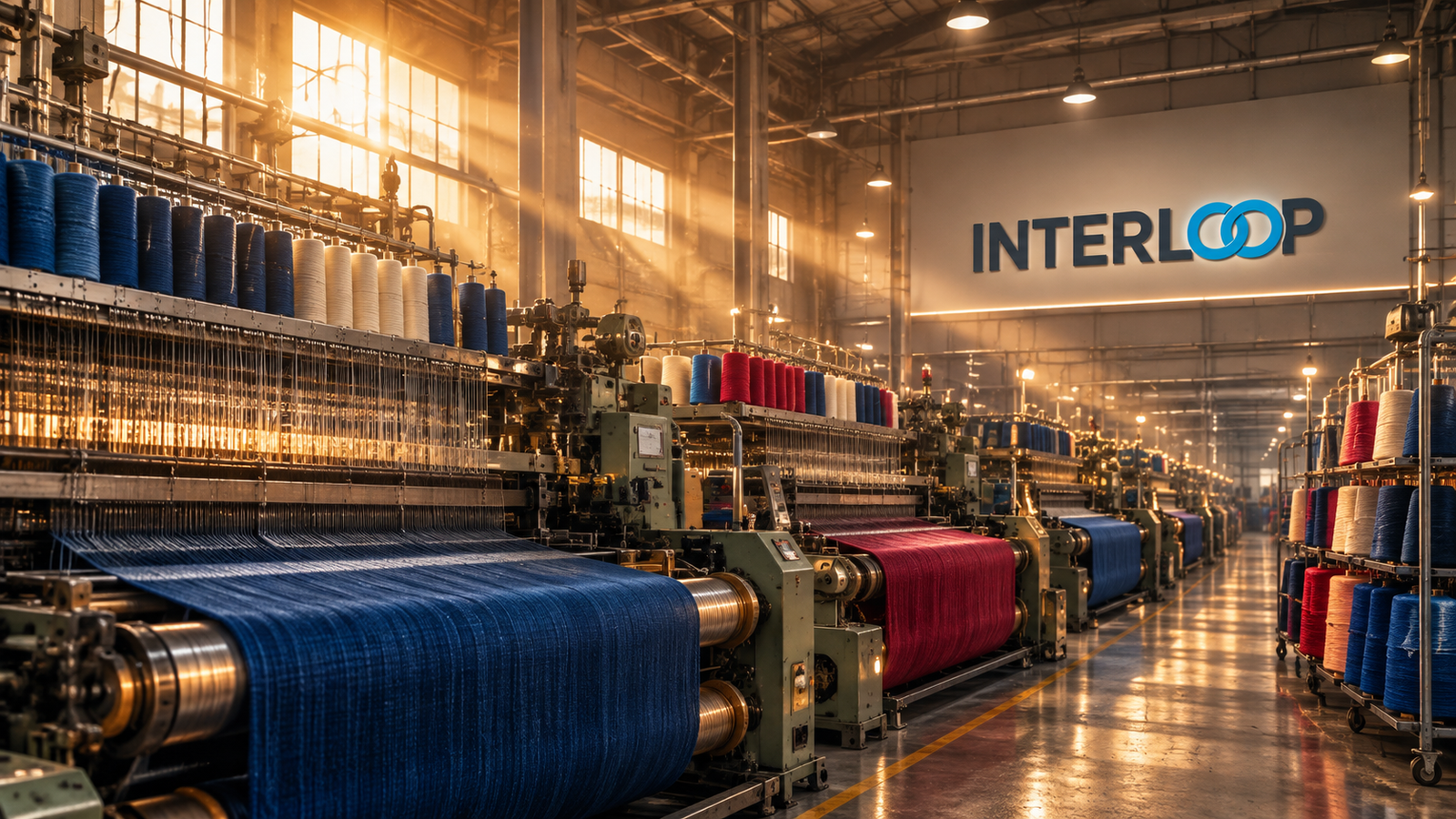
In a resounding testament to its operational resilience and strategic foresight, Pakistani textile behemoth Interloop Limited has unveiled a stellar financial performance for the first quarter of the 2026-27 fiscal year. For the quarter ending the 30th of September 2026, the company reported a commanding 54.25 per cent surge in its consolidated net profit, which ascended to an impressive Rs4.23 billion, up from the Rs2.74 billion recorded during the corresponding period last year. This remarkable trajectory was mirrored in the company’s earnings per share, which climbed substantially to Rs3.03 from a previous baseline of Rs1.96. Against a backdrop of persistent domestic macroeconomic fragility and fluctuating global apparel demand, the Faisalabad-headquartered giant has effectively cemented its position as a cornerstone of Pakistan’s export economy.
The catalyst for this formidable profitability was a sustained acceleration in top-line growth. Interloop witnessed its consolidated sales revenue expand by 12.27 per cent to reach a staggering Rs50.75 billion, eclipsing the Rs45.2 billion generated in the same quarter a year earlier. As one of the world’s largest hosiery manufacturers and a vital supplier to premier international brands, the firm has managed to continuously capture market share. This revenue expansion underscores the efficacy of Interloop’s ongoing strategic investments in modernising its production capabilities and digitalising its intricate supply chain, ensuring long-term business sustainability even amidst global industry challenges. By prioritising value-added textile exports, the company has successfully insulated itself from the volatility that frequently assails commodity-level exporters.
Beneath the robust revenue figures, prudent financial management and favourable income diversifications played a pivotal role in augmenting the bottom line. The company’s ‘other income’ more than doubled during the quarter, injecting a substantial Rs1.71 billion into the financial ecosystem. Simultaneously, Interloop successfully curtailed its finance costs, which fell by 7.63 per cent to settle at Rs1.57 billion. This reduction in debt-servicing expenses is particularly notable given the historically restrictive monetary policy environment in Pakistan, suggesting that the firm has either executed shrewd debt restructuring manoeuvres or benefited from early signs of an easing interest rate cycle. The dual tailwinds of soaring alternative income and contracting financial obligations provided the critical leverage needed to outpace revenue growth with an even steeper ascent in profitability.
However, the journey to these record-breaking figures was not entirely unencumbered by the harsh realities of the current economic climate. The company reported that the exceptional gains were partially offset by a distinct rise in distribution and other operating expenses. This expenditure inflation highlights the broader systemic challenges inherent in Pakistan’s manufacturing landscape, including elevated freight logistics costs, aggressive utility tariffs, and inflationary pressures on operational overheads. Yet, the fact that Interloop absorbed these operational burdens while still delivering a 54 per cent profit augmentation is a powerful indicator of its robust margin architecture and pricing power within the global textile supply chain.
Looking forward, this formidable first-quarter performance establishes a deeply optimistic tone for Interloop’s fiscal trajectory in 2026-27. Although the board of directors did not declare a cash dividend or bonus shares for this specific quarter—a standard conservative approach for the initial three months of the fiscal calendar—the retained capital will likely fuel further capital expenditures and capacity enhancements. As the global retail sector gears up for the high-demand winter and holiday seasons, Interloop’s expanded manufacturing capabilities and fortified balance sheet position it uniquely to capitalise on incoming international orders. For the broader Pakistani corporate sector, Interloop’s success serves as a definitive case study in how vertical integration, technological adaptation, and rigorous financial discipline can yield world-class results despite domestic headwinds.