

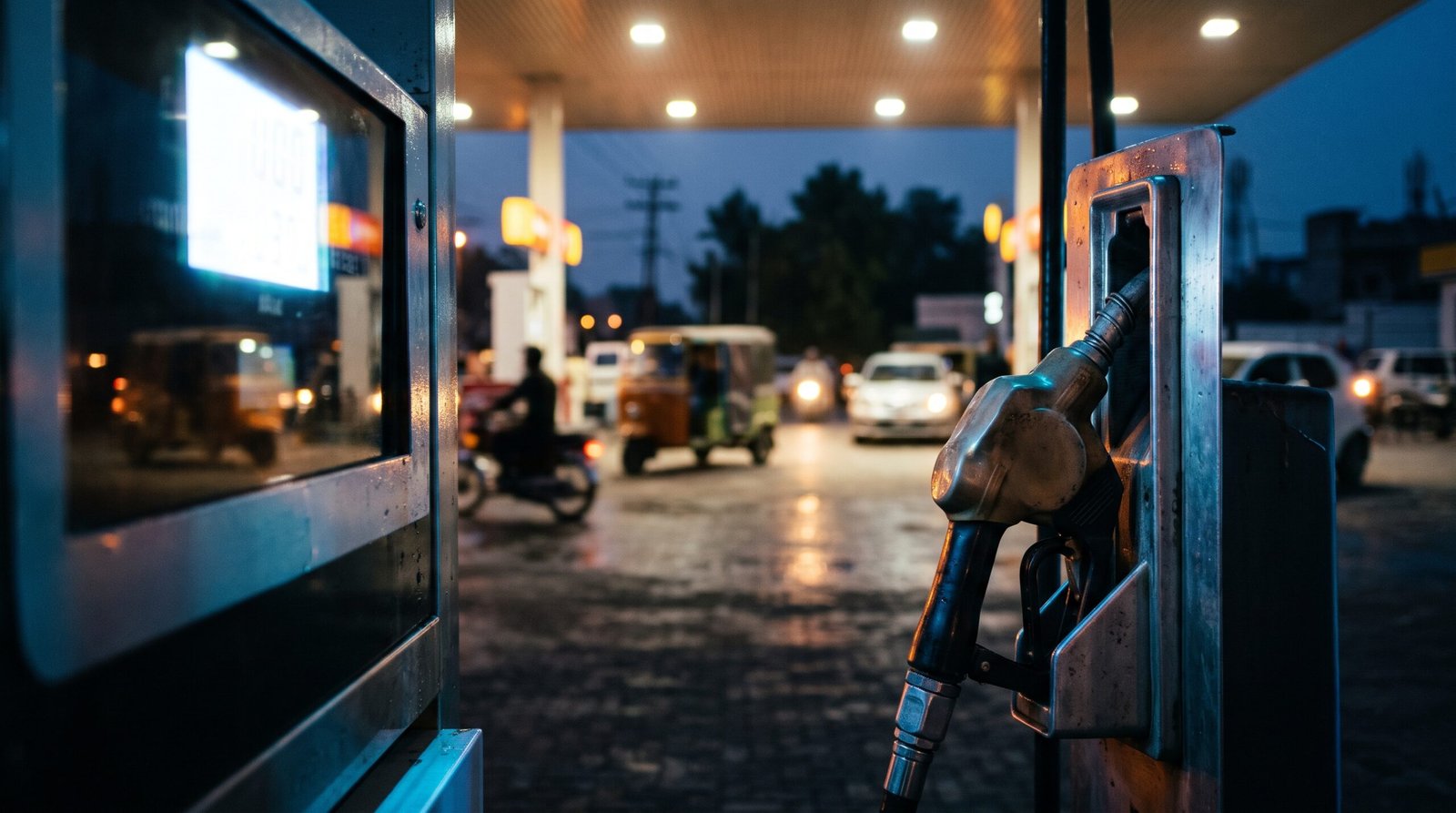
In a rapid succession of relief measures for consumers, the federal government has announced yet another reduction in domestic fuel prices. According to a notification issued by the Oil and Gas Regulatory Authority (OGRA), the ex-depot price of petrol has been reduced by Rs6.59 per litre, while high-speed diesel (HSD) has witnessed a cut of Rs4.25 per litre.
Following this latest revision, which took effect on November 7, 2026, petrol is now priced at Rs346.00 per litre, down from the Rs352.59 set just a day earlier. Similarly, the price of high-speed diesel—a critical fuel for the country’s heavy transport and agricultural sectors—has dropped from Rs382.25 to Rs378.00 per litre. The regulatory authority specified that these newly revised rates will remain in force for an unusually shortened period through to November 10, 2026, a schedule adjusted to accommodate the upcoming Iqbal Day public holiday on November 9.
This announcement represents the second major price slash in as many days. On November 6, the government had already enacted a substantial reduction, dropping petrol prices by Rs9.41 per litre and diesel by Rs5.56 per litre. The back-to-back downward adjustments are directly linked to the petroleum products pricing mechanism approved by the federal government, which passes on fluctuations in the international energy markets directly to domestic consumers.
The domestic fuel reductions are closely tied to the dramatic collapse in international oil prices observed over the past week. Following sweeping political changes in the United States midterm elections and rising hopes for de-escalation in the Middle East, Brent crude futures plunged heavily, trading well below the $100 per barrel threshold. For Pakistan, a heavily import-dependent economy, this sustained drop in global energy costs is providing vital macroeconomic breathing room and reducing the strain on the national import bill.
Economic analysts view these successive fuel price cuts as a critical catalyst for broader disinflationary trends. Lower diesel prices instantly reduce the operational costs for heavy freight transport, inter-city logistics, and agricultural machinery, which in turn alleviates the inflationary pressure on essential food items and fast-moving consumer goods. If the global crude market maintains its bearish momentum, the State Bank of Pakistan could secure further manoeuvrability to continue easing monetary policy, offering much-needed respite to the domestic industrial sector.