

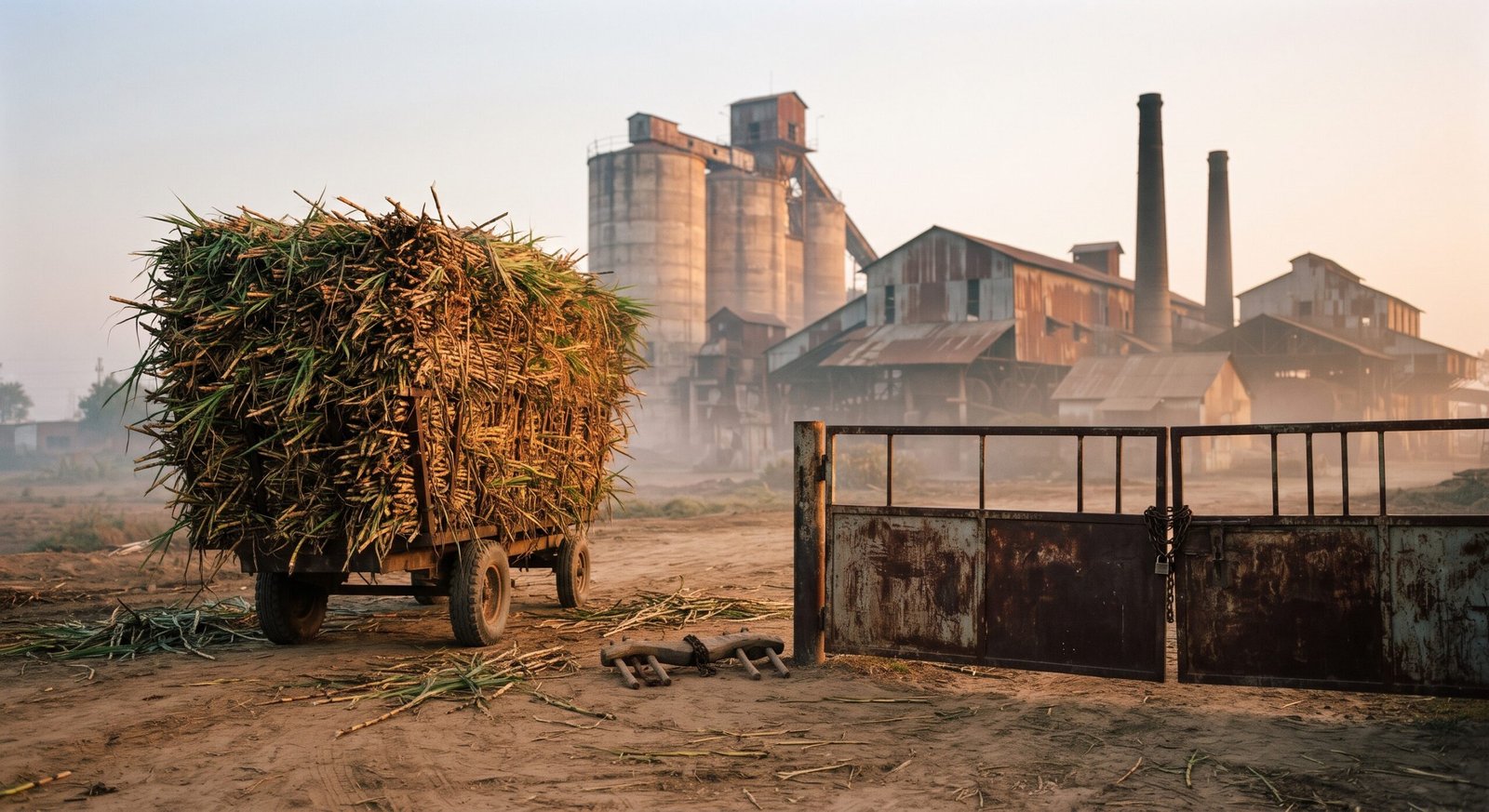
ISLAMABAD: The Economic Coordination Committee (ECC) of the Cabinet has quietly approved the export of 400,000 tonnes of sugar—alongside an additional 16,000-tonne quota for Sindh—even as the Ministry of Finance omitted the exact export volume from its official announcement following Friday’s meeting, The News reported.
Chaired by Finance Minister Muhammad Aurangzeb, the ECC considered recommendations from the Cabinet Committee on Export of Sugar, headed by the deputy prime minister. The committee initially proposed allowing 400,000 tonnes of exports with the stated aim of safeguarding farmers’ interests through adequate crop pricing, while adding the 16,000-tonne allocation for Sindh to bring the latest clearance to 416,000 tonnes. The committee also reiterated the need to deregulate the sugar sector.
Third Export Clearance in Four Months
Friday’s decision marks the third export authorisation granted in four months, lifting total permitted sugar exports for the season to 724,000 tonnes. The federal government had previously cleared the export of 108,000 tonnes of imported sugar in August, followed by 200,000 tonnes of locally produced sugar in mid-September.
The approval comes just days after the Ministry of National Food Security and Research cleared a larger proposal on November 18 to export 600,000 tonnes, before the ECC scaled the headline figure back to 400,000 tonnes plus Sindh’s quota.
The Pakistan Sugar Mills Association (PSMA) has been lobbying for permission to export one million tonnes since February 2026, citing heavy unsold inventories. Outgoing PSMA chairman Chaudhry Zaka Ashraf recently claimed that roughly 1.3 million tonnes of surplus sugar remained sitting in mill warehouses, arguing that prolonged delays in export clearances were creating acute liquidity and operational strain for the industry.
Punjab Crushing Delays Squeeze Farmers
The federal export nod arrives amid mounting friction in Punjab, where sugarcane crushing has largely stalled despite provincial government directives. As of November 18, only one of Punjab’s 47 sugar mills had reportedly commenced regular crushing operations.
Several mills across the province briefly opened their gates last week, accepted limited volumes of cane, and then suspended operations—drawing sharp scrutiny over compliance with official crushing schedules. Growers report that the lone mill actively purchasing sugarcane was offering less than Rs350 per maund, a rate farmers contend falls well below their cost of production.
Agricultural representatives warn that the standoff is inflicting compounding losses on growers: standing sugarcane is steadily losing weight and sucrose value in the fields, while delayed harvesting threatens to push back timely wheat sowing across key agrarian belts.
Regulatory Friction Between Centre and Provinces
Farm bodies have criticised the Punjab administration for failing to enforce its own crushing directives, alleging that provincial authorities have neither issued formal notices nor taken effective regulatory action against non-compliant mills.
Industry representatives, meanwhile, point to a structural regulatory divide—noting that sugar policy and exports are governed federally while sugarcane pricing and crushing fall under provincial jurisdiction—a split that continues to complicate efforts to resolve the recurring standoff between growers and millers.