

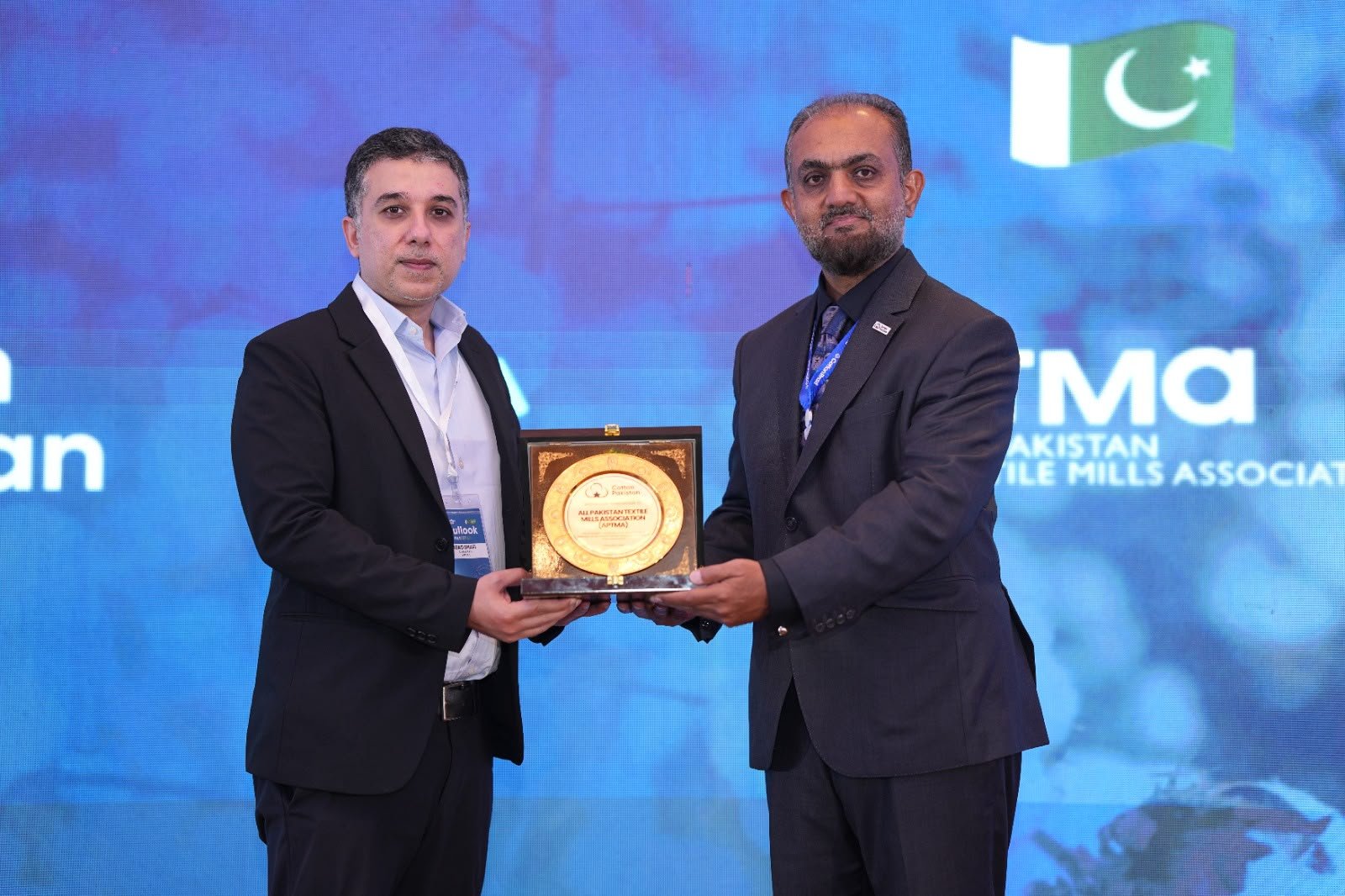
Pakistan’s textile manufacturing sector imported approximately 5.2 million bales of cotton valued at $1.5 billion in FY2026 to offset a prolonged collapse in domestic harvests, with Brazil emerging as the largest supplier to All Pakistan Textile Mills Association (APTMA) member mills at 1.8 million bales worth $552 million.
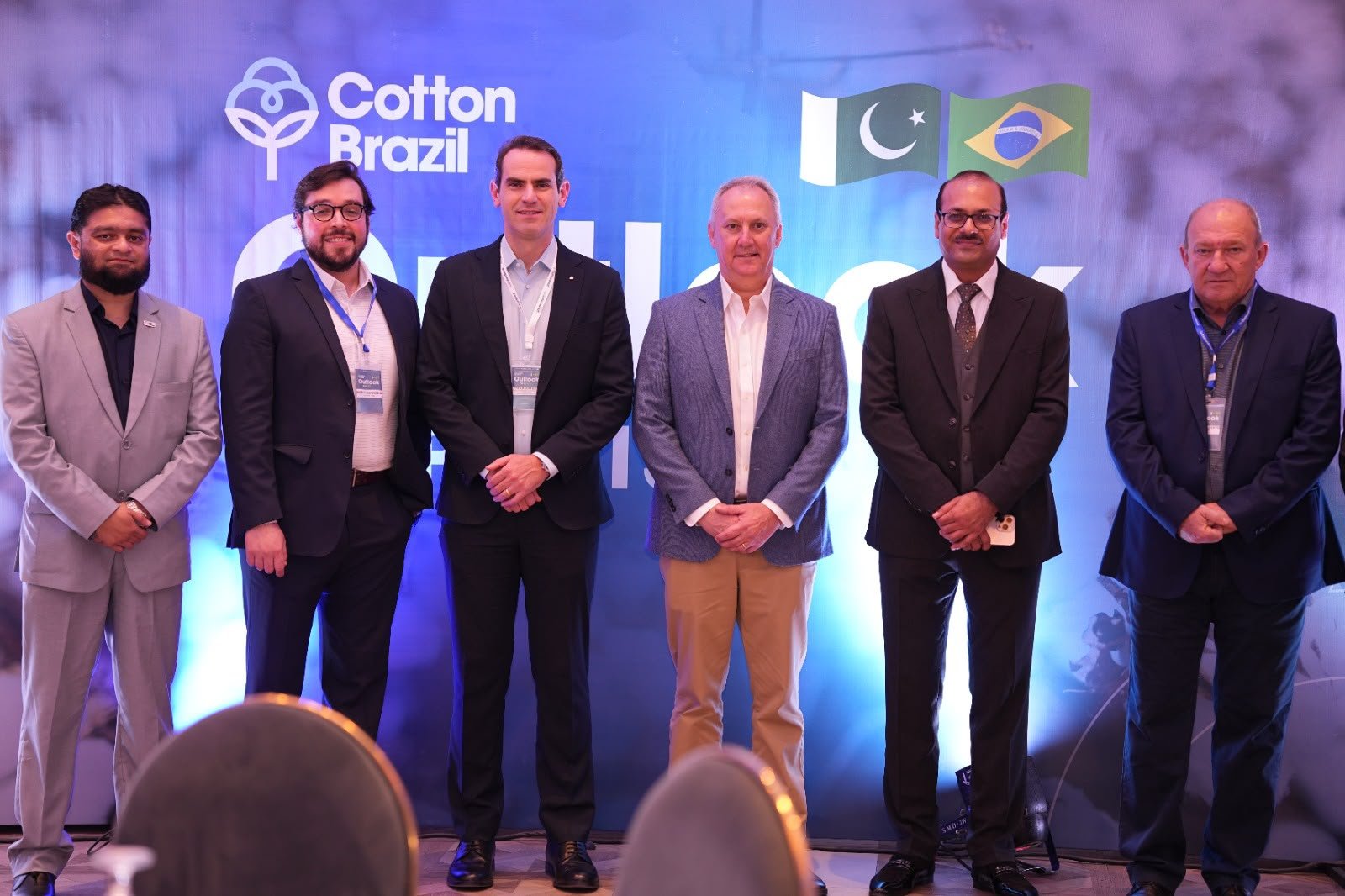
The import reliance was underscored during the “Cotton Brazil Outlook Pakistan 2026” forum facilitated by APTMA at The Nishat Hotel in Lahore on November 27, 2026, bringing together domestic spinning mill executives and Brazilian cotton growers, exporters, and trade bodies. Supported by the Brazilian Cotton Growers Association (ABRAPA), the Brazilian Cotton Shippers Association (ANEA), and the Brazilian Trade and Investment Promotion Agency (ApexBrasil), the meeting continued a three-year bilateral engagement programme.
APTMA Chairman Asad Shafi noted that Pakistan’s domestic cotton output has fallen sharply from a historical peak of 14.8 million bales in 2014-15 to roughly 5.6 million bales, forcing spinning mills to rely on imported fibre to maintain industrial operations.
| Pakistan Cotton Supply & Import Metric | Volume / Value | Period / Benchmark |
| Domestic Cotton Output (Peak) | 14.8 million bales | 2014-15 |
| Current Domestic Cotton Output | ~5.6 million bales | Current baseline |
| Total Cotton Imports | ~5.2 million bales ($1.5 billion) | FY2026 |
| Brazilian Imports (APTMA Mills) | ~1.8 million bales ($552 million) | FY2026 |
| Brazil’s Share of Pakistan Imports | 45% (up from 17% in 2019) |
Previous season vs. 2019 |
ABRAPA Vice President Celestino Zanella confirmed that Brazil’s share of Pakistan’s cotton imports climbed to 45% in the previous season, up from 17% in 2019 when the “Cotton Brazil programme” was launched.
“Dependable supply, consistent quality, transparent information and timely logistics are essential for Pakistan’s mills and for lasting commercial relationships.”
Asad Shafi stated that while imported fibre addresses immediate mill demand, Pakistan must rebuild domestic production through higher farm yields, stronger seed systems, improved fibre quality, and modernized agronomy. He added that the “Outlook sessions” give local mills direct access to data on Brazil’s crop, export prospects, and supply chain.
“Brazil brings production capacity, while Pakistan is home to one of the world’s most important textile industries. Our doors are open to our Pakistani partners, and we see strong potential to create further opportunities for both countries.”
A primary institutional outcome of the forum was an offer from the Brazilian delegation for full research and development cooperation to support Pakistan’s cotton sector. Under the proposal, Pakistani cotton scientists, breeders, researchers, and technical experts were invited to Brazil for practical training in advanced production, breeding, mechanization, fibre testing, “quality assurance,” “traceability,” and sustainability systems. APTMA stated that structured expert exchanges and institutional linkages could help restore domestic productivity and textile export competitiveness.
Technical briefings during the forum included crop production and quality system updates from ABRAPA Head of Business and International Relations Fernando Rati, alongside export and logistics assessments from ANEA Director Matthew Robbins. ABRAPA International Relations Director Marcelo Duarte moderated an interactive session on commercial specifications and shipment planning.
The visiting Brazilian delegation also included Bahia cotton grower and ABRAPA Director Luiz Carlos Bergamaschi, Mato Grosso cotton grower and AMPA Director Carlos Simon, ANEA Director and Omni Cotton representative Mario Bonifacio, and Cotton Brazil interpreter Roberto Vale. Cotton Pakistan President Kaiwan Anwar and APTMA Secretary General Muhammad Raza Baqir also participated in the proceedings.