

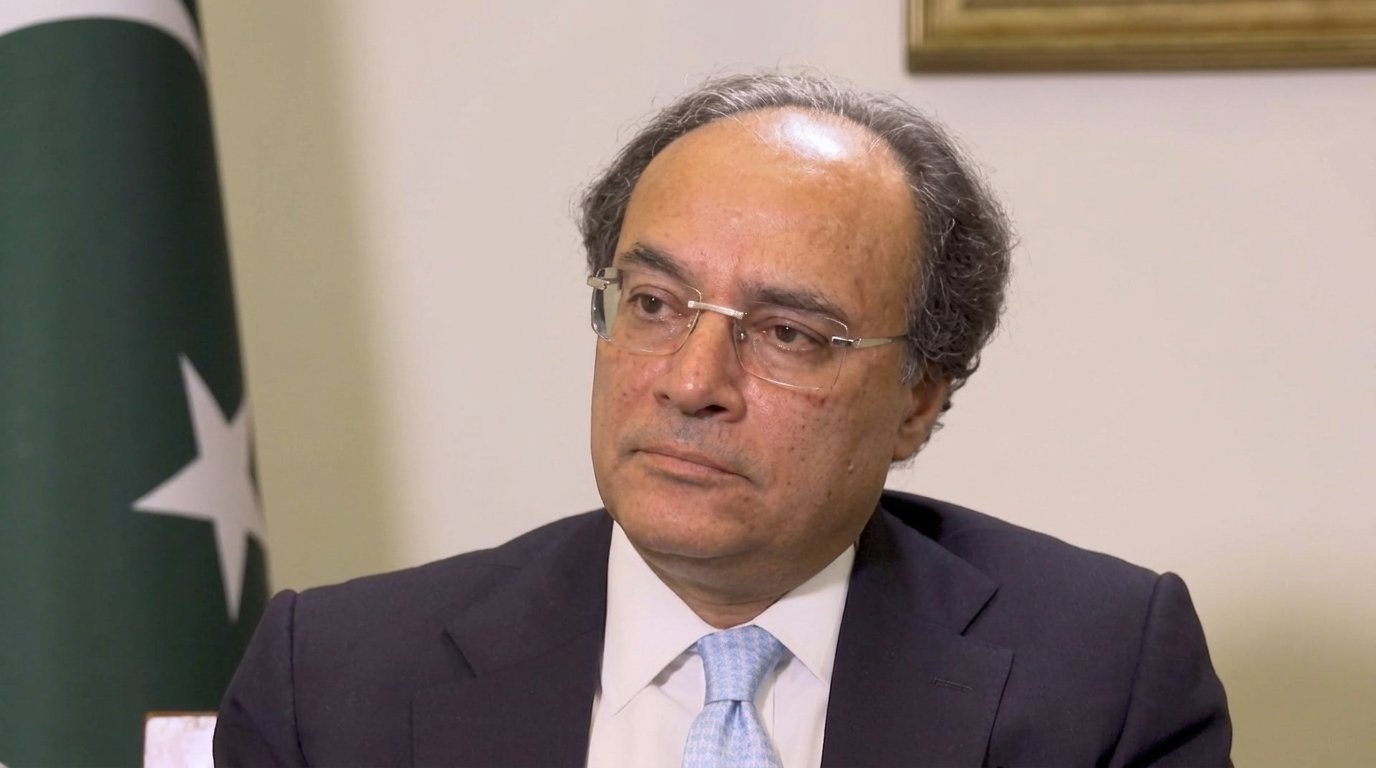
KARACHI: Federal Minister for Finance and Revenue Senator Muhammad Aurangzeb has laid out a six-point policy roadmap to transition Pakistan from macroeconomic stabilisation toward sustainable economic growth, while formally inviting the mutual fund industry to submit tax proposals aimed at broadening the country’s domestic investor base.
Speaking at the Mutual Funds Association of Pakistan (MUFAP) 25th anniversary dinner in Karachi on Saturday, November 28, Aurangzeb described the association as a vital partner to the federal government in mobilising domestic savings and investment. He assured asset managers that Islamabad stands ready to support the sector on taxation and regulatory matters to attract a wider pool of retail participants.
Six Pillars From Stabilisation to Sustainable Growth
Outlining the government’s medium-term economic agenda, the finance minister identified six core priorities required to lock in recent gains and build long-term resilience:
- Preserving macroeconomic stability
- Executing structural reforms
- Driving job-creating growth
- Strengthening exports and investment
- Expanding broader access to finance
- Building digital skills and preparing for a digital economy
Emphasising that export-led growth remains central to Pakistan’s external sustainability, Aurangzeb noted that stronger outbound earnings—paired with deeper domestic capital mobilisation—are essential to reducing the country’s chronic reliance on external borrowing.
Tapping Gen Z, Raast Payments, and Urdu Guidance
Pointing to shifting demographics across Pakistan’s capital markets, Aurangzeb revealed that millennials and Generation Z have accounted for 60 to 70 per cent of the growth in new investors at the Pakistan Stock Exchange (PSX). Urging mutual fund managers to replicate that youth engagement, he stressed that product innovation will be critical to drawing first-time savers and modest-income households into formal asset management.
Specifically, the minister called on the industry to simplify account opening procedures, integrate payment rails through the State Bank’s Raast instant payment system, and offer clear investor guidance in Urdu so regular saving becomes accessible beyond traditional urban financial circles.
Infrastructure Bonds and Sukuk to Finance Public Projects in Rupees
Beyond retail fund expansion, Aurangzeb urged market participants to explore infrastructure bonds and sukuk capable of channelling long-term domestic rupee savings directly into productive national assets. Highlighting sectors such as toll roads, power transmission networks, and water schemes, he argued that tapping local institutional and household liquidity can finance critical infrastructure while easing pressure on foreign-currency debt obligations.
A Rs4.72 Trillion Industry Pushing for Pension and Tax Reform
Industry data released by MUFAP underscored both the scale achieved over the association’s first quarter-century and the room still left for retail penetration. As of the end of September 2026, Pakistan’s mutual fund industry held Rs4.72 trillion (approximately $17.07 billion) in assets under management across 1.94 million individual investor accounts. Shariah-compliant funds accounted for roughly half of all open-end fund assets, while dedicated pension fund assets stood at Rs162.9 billion (approximately $582 million).
Industry leaders and regulators used the silver jubilee gathering to press for targeted structural incentives:
- MUFAP Chairman Shazad Dada called for targeted tax incentives tailored to small savers alongside broader access to contributory pension schemes.
- Securities and Exchange Commission of Pakistan (SECP) Commissioner Muhammad Ali Farid Khwaja urged private-sector employers to adopt and offer the Voluntary Pension System (VPS), pointing to digital payment rails and shared customer verification as practical tools to widen enrolment.
- MUFAP Chief Executive Officer Mashmooma Zehra Majeed framed the association’s long-term ambition around household financial habits: “When a family thinks about saving, we want mutual funds to come to mind,” adding that a deeper domestic savings pool would enable Pakistan to finance a greater share of its development from its own resources.