

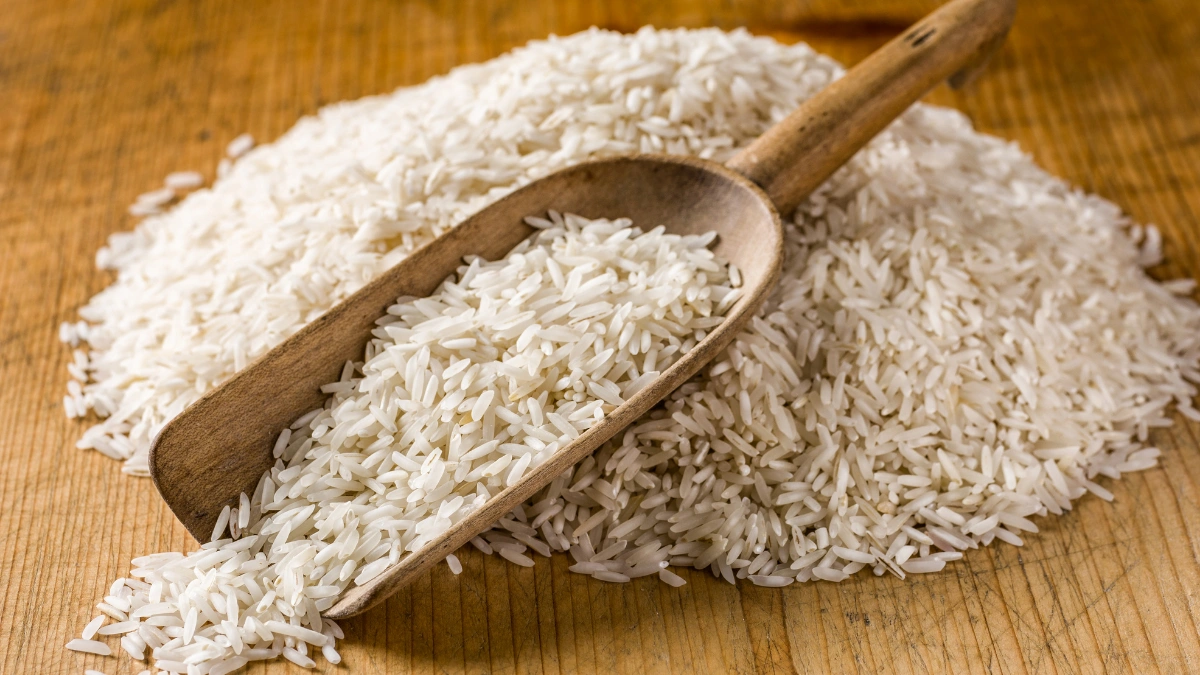
Sources familiar with the latest trade discussions said Malaysia has agreed to import an additional 70,000 tonnes of rice from Pakistan as Islamabad intensifies efforts to regain market share and establish more predictable access to one of Southeast Asia’s major food markets.
The development followed meetings in Kuala Lumpur between a high-level Pakistani delegation and Malaysian authorities and industry representatives, including BERNAS and JAKIM, with participation from the Rice Exporters Association of Pakistan (REAP).
The discussions went beyond rice, covering halal meat, poultry, ruminant products, halal gelatin and other agricultural commodities.
For Pakistan, the significance of the latest rice purchase extends beyond the volume itself. The country is attempting to move from sporadic export transactions towards longer-term supply relationships in markets where food security, certification and consistency increasingly determine market access.
70,000 tonnes is important — but the bigger opportunity is the market
Malaysia imported approximately 1.695 million tonnes of rice worth $1.098 billion in 2024, according to World Bank and UN Comtrade data.
Pakistan supplied around 382,051 tonnes, valued at approximately $235.4 million, accounting for a significant portion of Malaysia’s imports.
The latest 70,000-tonne purchase therefore represents a meaningful addition to an already established trade relationship.
Pakistan exported 6.56 million tonnes of rice worth $4.19 billion globally in 2024, making rice one of the country’s most important agricultural export commodities.
However, maintaining market share requires more than competitive pricing.
Pakistani exporters face competition from other major rice-producing countries, while Malaysian buyers need dependable supplies, consistent quality and compliance with food-safety and regulatory standards.
This is where the latest government-level engagement becomes important.
From individual deals to long-term supply
Talks with BERNAS have focused on developing more predictable supply arrangements between Pakistani exporters and Malaysian buyers.
For Pakistan, a long-term arrangement could provide greater certainty for exporters preparing their production and shipment schedules. For Malaysian buyers, predictable sourcing can help reduce supply disruptions and improve planning.
The challenge will be converting the reported additional purchase into a recurring trade relationship.
A one-off order can increase export receipts for a particular season. A structured supply arrangement, however, can potentially create a much larger and more stable market for Pakistani producers and exporters.
That distinction will be critical as Pakistan prepares to market its new rice crop.
The next $200 million opportunity could be meat
While rice is currently delivering the most immediate results, Pakistani officials are also looking towards Malaysia’s halal meat market.
During Prime Minister Shehbaz Sharif’s official visit to Malaysia in October 2025, Malaysian Prime Minister Anwar Ibrahim said Malaysia would examine imports of Pakistani halal meat worth up to $200 million.
Pakistan subsequently began working on a strategy aimed at increasing meat exports to Malaysia.
The opportunity is significant, but accessing the market requires Pakistani exporters to meet stringent requirements covering animal health, halal certification, processing, traceability, food safety and cold-chain logistics.
This makes cooperation with JAKIM particularly important.
Pakistan and Malaysia have been working towards greater cooperation between JAKIM and the Pakistan Halal Authority, including the exchange of technical information, regulatory practices and expertise.
For Pakistani meat exporters, certification is not simply an administrative requirement. It is a gateway to the Malaysian market.
Agricultural trade already provides a foundation
The expansion drive is taking place on top of an existing agricultural trading relationship.
Malaysia’s Ministry of Agriculture and Food Security reported that agricultural trade between Malaysia and Pakistan reached RM4.40 billion by December 2025.
Malaysia exports commodities including palm oil, animal feed, coffee, cocoa, tea and spices to Pakistan.
Pakistan, meanwhile, supplies Malaysia with rice, cereals and cereal-based products, fish and seafood, and fertilisers.
The current trade structure suggests that the two markets are already connected through food and agricultural supply chains. The Pakistani government’s objective now appears to be increasing the number and value of products moving in the opposite direction.
MIHAS opens the door beyond rice
Pakistan’s participation in the 22nd Malaysia International Halal Showcase (MIHAS) 2026, held in Kuala Lumpur from September 23 to 26, provided an additional platform for that effort.
MIHAS 2026 featured 2,400 exhibition booths, 4,000 business meetings and 50,340 trade visitors, according to the event’s official platform.
For Pakistan, the event offered an opportunity to put rice and meat exporters in front of Malaysian and international buyers while promoting a broader portfolio of halal products.
Sources said discussions also covered poultry, ruminant products and halal gelatin.
This diversification could be important for Pakistan because dependence on a limited number of agricultural export commodities leaves exporters exposed to changes in international prices, demand and market access.
Pakistan’s export challenge is now about consistency
The latest development gives Pakistani exporters an opportunity, but it also highlights a longstanding challenge: converting market access into sustained export growth.
Pakistan has the production capacity to remain a significant rice exporter, while its livestock sector gives it potential in halal meat and related products.
What remains crucial is the ability to deliver consistent quality at competitive prices while meeting the regulatory and certification requirements of destination markets.
The proposed next round of Pakistan-Malaysia discussions in November could therefore be more important than the latest transaction itself.
According to sources, the meeting is expected to focus on rice and meat while advancing discussions on halal certification, agricultural market access and regulatory requirements.
If those discussions result in predictable supply arrangements and streamlined certification, Malaysia could become more than simply another destination for Pakistani agricultural exports.
It could become a larger and more structured market for Pakistan’s rice, meat and halal food industries.
For now, the 70,000-tonne rice purchase is a positive development for exporters. The real test will be whether Pakistan can turn that order into a pipeline of repeat business — and use rice as the entry point for a much broader agricultural export relationship with Malaysia.