

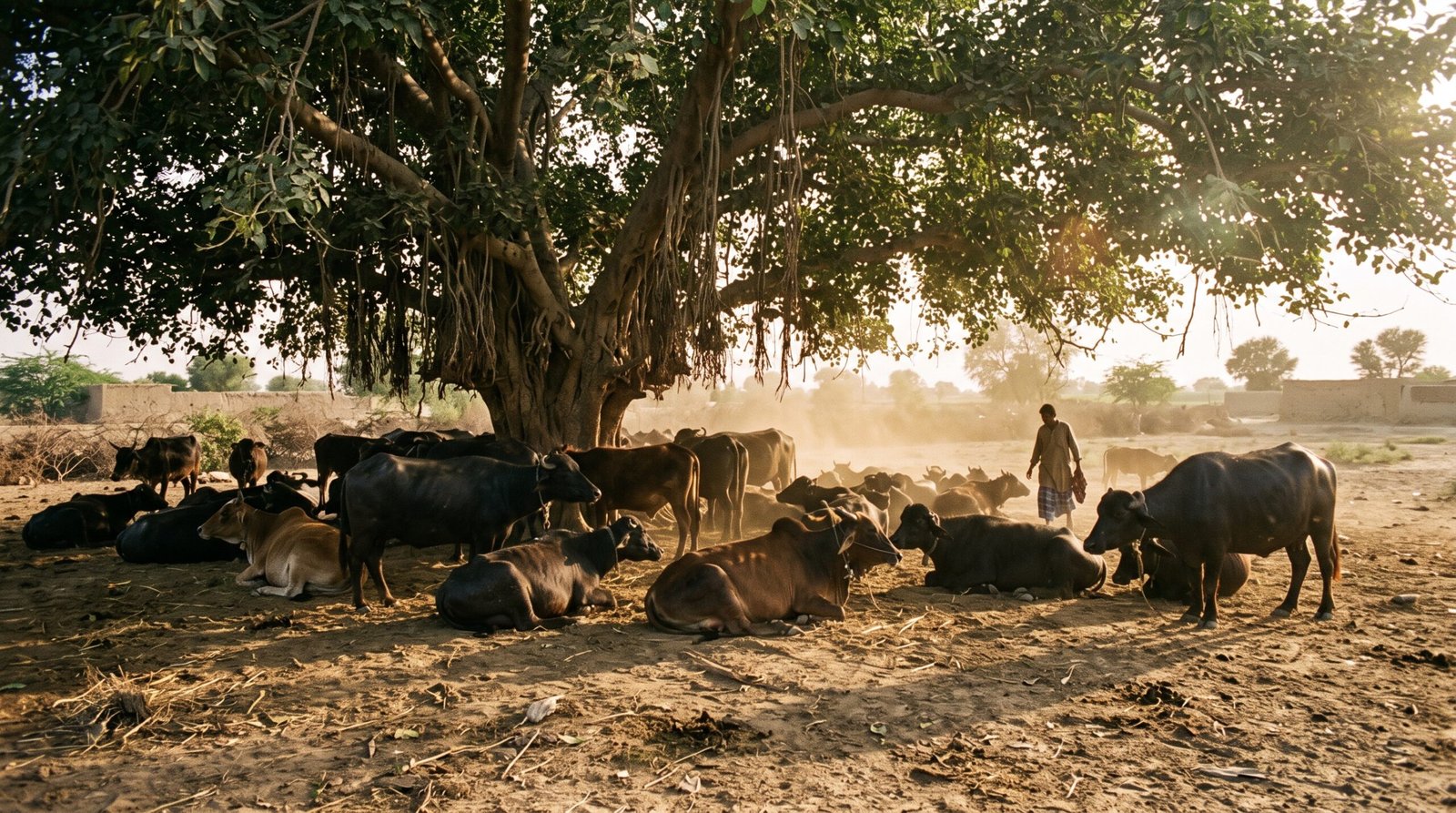
Pakistan is preparing to overhaul its dairy sector with a comprehensive liberalisation strategy designed to attract private investment and propel annual dairy exports to $2 billion by 2035. The proposed reforms centre on deregulating the market, notably by removing milk from the essential commodities list, to transition the industry toward a globally competitive, export-driven model.
These strategic shifts are detailed in a new policy framework, Attracting Investment to Enhance Pakistan’s Dairy Exports. Developed under the URAAN Pakistan initiative, the roadmap is a collaborative effort between the Planning Commission, the Ministry of National Food Security, the Food and Agriculture Organisation (FAO), and key industry stakeholders. The immediate goal is to reach $500 million in dairy exports by FY30, with the private sector spearheading processing and infrastructure development.
Bridging the Processing Deficit
Despite ranking as the world’s fourth-largest milk producer—yielding approximately 72 billion litres annually, or 7 per cent of global supply—Pakistan faces a stark trade imbalance. The country recorded a $37 million dairy trade deficit in 2024 within a global market valued at $50 billion.
The framework identifies the sector’s heavy reliance on informal distribution as a primary bottleneck, noting that only 5 per cent of Pakistan’s milk is formally processed. Structural constraints, including strict price controls, inadequate processing infrastructure, and low milk yields, have consistently deterred investment. Furthermore, the industry suffers an annual loss of roughly 1.5 million productive dairy animals and two million calves, severely degrading long-term breeding capacity and livestock productivity.
Read More: Pakistan To Host Minerals Investment Forum To Unlock $8 Trillion Untapped Potential
Fiscal Reforms and Farmer Integration
To stimulate private-sector participation and modernization, the framework proposes targeted fiscal incentives and structural changes:
- Tax and Duty Reductions: Slashing the tax on value-added dairy products from 18 per cent to 5 per cent, and capping import duties on dairy machinery, feed ingredients, and genetic material at a maximum of 5 per cent.
- Utility Relief: Granting agricultural electricity tariffs to licensed dairy farms and formal processing facilities.
- Infrastructure Support: Incentivising investments in cold-chain logistics, specifically focusing on solar-powered milk chillers.
- Cooperative Models: Empowering private dairy companies to organise smallholder farmers into cooperatives and entrepreneur groups. These companies would provide technical training and purchase milk through formal contracts tied to agreed quality and pricing standards.
- Financial Inclusion: Allowing smallholder farmers to pledge livestock as legal collateral for commercial loans.
Export Zones and Global Market Access
Overcoming international health and safety restrictions is a central pillar of the new export policy. The framework advocates for a national digital animal disease surveillance and traceability system, alongside the creation of specific disease-free dairy zones in Sindh and Punjab that meet World Organisation for Animal Health (WOAH) accreditation standards.
To streamline international trade, the policy proposes establishing dedicated Dairy Export Processing Zones linked directly to the Gwadar and Karachi ports. These zones will focus on producing high-demand export commodities such as flavoured yoghurt, whey protein, butter, ghee, cheese, and camel milk.
The primary target destinations outlined in the report include China (which imports $12.1 billion in dairy annually), the Gulf Cooperation Council countries ($11.05 billion), Indonesia ($1.8 billion), and Malaysia ($1.5 billion).
Immediate Priorities for FY27
To initiate this structural transformation, the framework outlines critical steps for the FY27 agenda. These priority measures include ratifying the pending Animal Health Act and National Breeding Policy, rolling out provincial pilot programmes for animal identification and traceability, and restructuring the Livestock and Dairy Development Board to ensure active private-sector representation.