

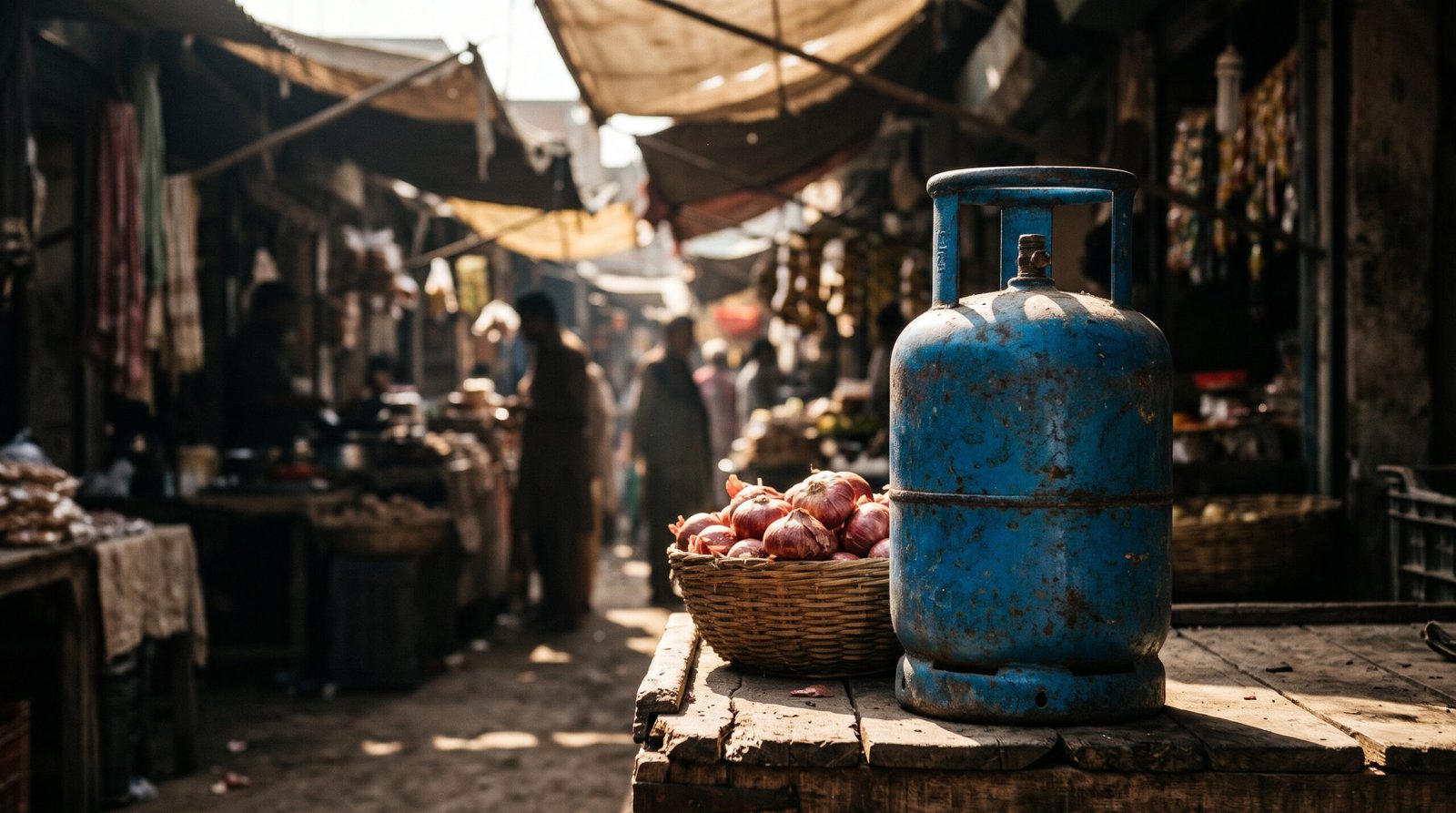
ISLAMABAD: The financial strain on Pakistani households is accelerating, driven by unprecedented surges in the cost of basic energy and essential groceries. While official macroeconomic indicators suggest headline inflation is hovering in the single digits, the reality at the retail level paints a vastly different and far more severe picture for the average citizen.
An extensive analysis of the Sensitive Price Indicator (SPI)—which tracks 51 everyday household items across 50 markets in 17 cities—reveals that the cost of simply keeping a kitchen running has skyrocketed over the past year.
According to October 2026 market data analyzed by Gallup Pakistan, 36 out of the 51 tracked essential items cost more today than they did a year ago. Notably, 14 of these everyday items have surged by more than 10%, heavily skewing household budgets toward basic survival and away from discretionary spending.
The Energy And Fuel Shock The most devastating blow to household finances has come from the energy sector. Unlike discretionary goods, cooking fuel and electricity are unavoidable daily expenses, and their costs have spiraled aggressively over the last 12 months.
Compared to October 2025, the year-on-year (YoY) price hikes for energy and fuel are staggering:
- LPG Cylinder (11.67 kg): +82.6%
- Electricity (up to 50 units): +57.4%
- Petrol (Super): +45.8%
- Diesel (High-Speed): +43.5%
On a month-on-month (MoM) basis, the pressure continues to mount. Between September and October 2026, LPG prices rose by an additional 14.6%, while electricity tariffs for lifeline and baseline consumers jumped by 12.9%. The cascading effect of these energy hikes is particularly damaging, as surging diesel and petrol costs directly inflate the transportation and logistics costs of every other commodity in the supply chain.
The Grocery Bill: Volatility In Fresh Produce The food segment of the SPI highlights severe year-on-year inflationary pressure, compounded by extreme month-to-month volatility in perishable goods.
Over the past year, dietary staples have seen massive price inflations. Onions are currently up 69.9% compared to October 2025. Wheat flour, the absolute bedrock of the Pakistani diet, is up 34.3% YoY, while farm broiler chicken has increased by 22.4%.
However, looking at the month-on-month data reveals the chaotic nature of fresh produce markets. While chicken prices surged 16.3% from September to October, consumers found temporary, localized relief in specific vegetables. Tomatoes plummeted 28.4% during the month, bananas fell 14.8%, and potatoes dropped 8.3%. Even onions saw a slight 5.5% month-on-month dip, though they remain nearly 70% more expensive than last year.
Because the SPI’s +7.6% overall average treats every item with equal weight—meaning a bar of soap carries the same statistical weight as a cylinder of cooking gas—the simple average severely masks the disproportionate financial pain felt by low-income households that spend the majority of their income on fuel and food.
The Macroeconomic Disconnect: SPI vs. CPI The intense retail pressure recorded in the SPI exists alongside slightly softer, broader macroeconomic figures published by the Pakistan Bureau of Statistics (PBS) and the State Bank of Pakistan (SBP).
The official inflation data for October 2026 provides a wider lens on the economy:
- National Consumer Price Index (CPI) inflation stood at 9.6% year-on-year, down from 10.3% in September.
- Rural inflation (9.8%) continues to outpace Urban inflation (9.5%), indicating that the cost of living crisis is hitting agricultural and peripheral communities harder than major metropolitan centers.
- The Wholesale Price Index (WPI)—a critical leading indicator for future consumer prices—surged by 13.8% year-on-year.
The divergence between a 9.6% national CPI and an 83% surge in cooking gas illustrates the deep structural challenges within Pakistan’s economy. While central bankers may view single-digit CPI as a signal of stabilizing monetary policy, the reality for the consumer is defined by the SPI. Until the hyper-inflation in localized energy tariffs and agricultural supply chains is resolved, the cost of living crisis for the average Pakistani household will only continue to deepen.