

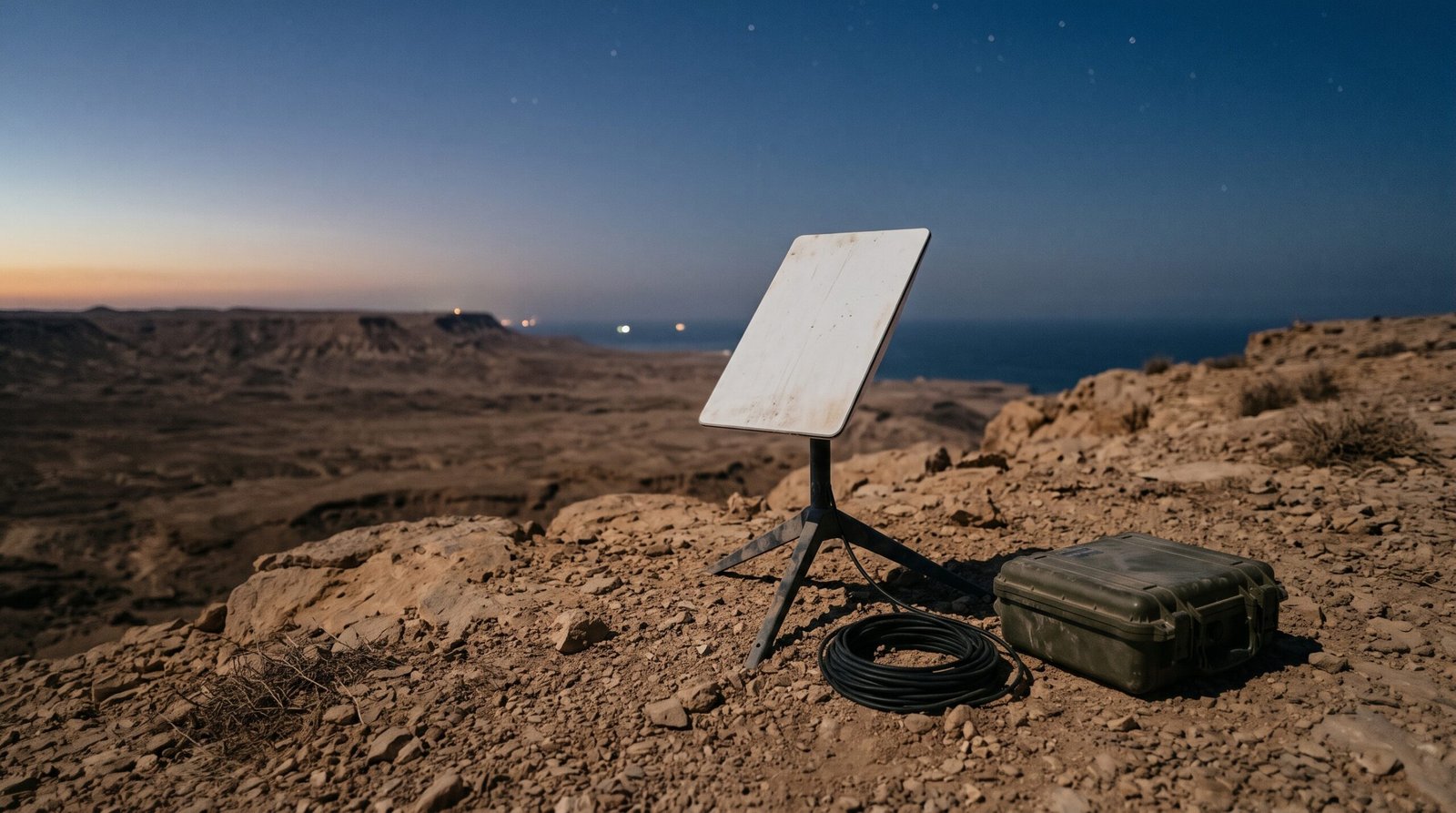
SAN FRANCISCO: Iran utilised SpaceX’s Starlink satellite internet service to support military operations against United States forces after the US and Israel launched strikes against Tehran at the end of February, The Washington Post reported on Saturday, citing people familiar with the matter.
According to the report, the Iranian military relied on the commercial satellite network for battlefield functions including command and control of forces as well as one-way attack drone operations targeting American positions in the region. The revelations were detailed in a classified report submitted to US Defense Secretary Pete Hegseth outlining the Iranian military’s use of Starlink.
Musk’s Outrage Over Dual Misuse and SpaceX Dismissals
Inside SpaceX, the discovery triggered an immediate crisis. Two people familiar with internal company discussions told The Post that Chief Executive Elon Musk became enraged upon learning of two unauthorised uses of Starlink that his team concluded were directly linked to Iran’s military efforts against US forces.
Compounding Musk’s anger was a separate internal revelation concerning the Pentagon itself. According to sources cited by the newspaper, Musk was informed that the US military had been operating low-cost, one-way attack drones—known as LUCAS—on Starshield, SpaceX’s militarised satellite platform, while running them on a cheaper subscription tier designated strictly for ground-based operations rather than aerial combat systems.
In the fallout from both episodes, at least two SpaceX executives were dismissed by the end of that week, according to a person familiar with internal company deliberations, though their names and specific roles were not disclosed. Following the breaches, SpaceX tightened vetting and compliance checks on customers acquiring terminals and connectivity through third-party resellers. Neither SpaceX, Musk, nor the Iranian Foreign Ministry immediately responded to requests for comment.
Pentagon Denies Awareness of Report Amid Unanswered Questions
The US Department of Defense pushed back against the disclosure of a classified briefing to the secretary’s office. In a statement to Reuters, Pentagon spokesperson Kingsley Wilson said the department “is not aware of the report to the (office of the defense secretary) pertaining to this subject,” and declined to comment on whether Tehran had leveraged Starlink in its operations or address the Starshield subscription dispute. US Central Command (CENTCOM) similarly declined to respond to detailed inquiries.
The Washington Post also referenced the March 1 Iranian drone strike on a US military facility at the port of Shuaiba in Kuwait, which killed six American soldiers, though the newspaper did not establish whether Starlink was used in that specific attack. The Pentagon has yet to publicly release the findings of its investigation into the strike.
The Dual-Use Dilemma: Dissidents Versus the IRGC
The disclosures sharpen longstanding concerns over how commercial low-Earth-orbit satellite networks operate inside active war zones—a debate already prominent during the Russia–Ukraine war and now intensified by the US–Iran conflict. Although Starlink is not licensed to operate in Iran, Musk has previously confirmed that the service remains active over the country.
Iranian authorities have repeatedly imposed sweeping internet blackouts during domestic upheaval, including during deadly nationwide protests in January 2026. Following that crackdown, Starlink reportedly made its service available free of charge to users inside Iran, while The Wall Street Journal previously reported that the US government smuggled thousands of Starlink terminals into the country to keep connectivity alive. Tehran has maintained rigid controls over public internet access ever since the US–Israeli military campaign commenced in late February.
Satellite industry executives told The Post that once physical terminals enter wide circulation, policing end-users becomes extraordinarily difficult—leaving SpaceX trapped in a stark operational dilemma: shutting down coverage across Iran would sever a vital lifeline for ordinary civilians and dissidents, whereas maintaining service creates openings for the Islamic Revolutionary Guard Corps (IRGC) to exploit the network.
Sanctions specialists pointed to Tehran’s sophisticated procurement machinery as a likely conduit. Former US Treasury Department lawyer Cari Stinebower noted that front companies operating through third countries could readily deceive legitimate exporters to obtain hardware. “The Iranians are really good at this,” she told The Post, adding, “It’s just really hard to police it.”
Rising Tech-Sector Exposure to the Conflict
The controversy arrives amid escalating hostility from Tehran toward American technology giants accused of aiding US and Israeli defence efforts. On Thursday, November 26, Iranian state-affiliated outlet Mehr News Agency circulated an AI-generated propaganda video on Telegram depicting simulated drone strikes against the headquarters of SpaceX, Amazon, and Microsoft, accusing the firms of supporting military operations against Iran. Together, the reported battlefield misuse of Starlink and Tehran’s overt targeting of US tech infrastructure underscore how deeply private commercial satellite and cloud ecosystems have become entangled in modern state-on-state warfare.