

The International Monetary Fund (IMF) has directed Pakistan to aggressively expand its tax net into the agricultural, real estate, and provincial services sectors, framing the mobilization of these largely untapped revenue streams as a critical prerequisite for financing national development and avoiding deeper fiscal crises.
Delivering a blunt policy directive at the closing session of the Sustainable Development Policy Institute’s (SDPI) 29th Sustainable Development Conference on Thursday, Dr. Mahir Binici, IMF Resident Representative in Pakistan, underscored the immediate urgency of systemic fiscal reforms.
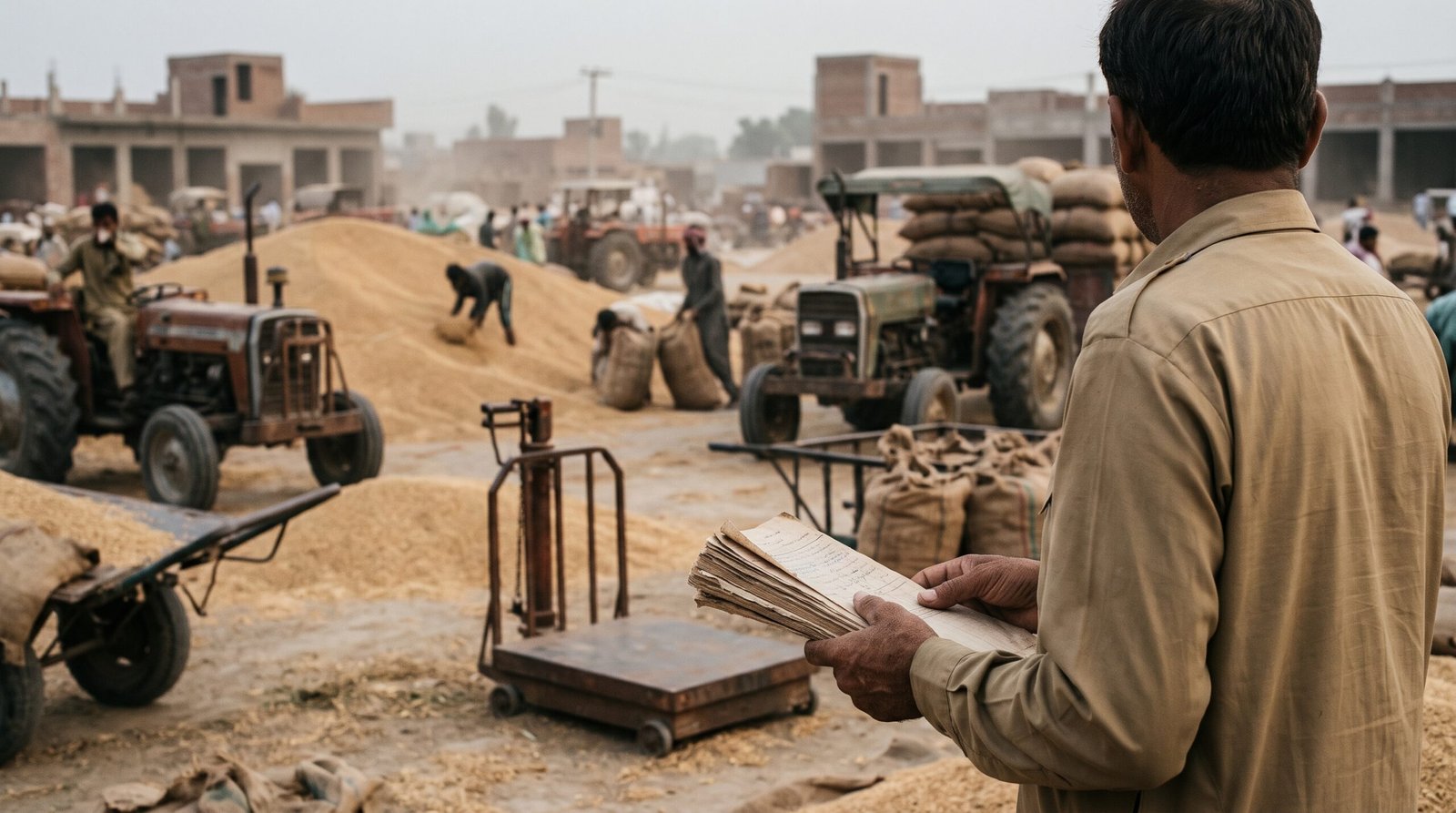
Dr. Binici emphasized that provincial governments must drastically improve their independent revenue collection capabilities rather than relying disproportionately on federal tax allocations. Central to this directive is the institutional mandate to harmonize the “General Sales Tax (GST)” on services across all provinces and to forcefully implement property and agricultural income taxes, areas that have historically evaded comprehensive documentation.
“Emerging and developing economies require revenue mobilisation equivalent to at least 15% of GDP to adequately finance public services, while Pakistan remains considerably below that benchmark.”
The IMF representative outlined severe structural deficits in the country’s human capital investments, specifically targeting chronic underfunding in the health and education sectors. He noted that existing public spending remains fundamentally inadequate when measured against Pakistan’s demographic requirements and peer economies.
| Macroeconomic Indicator | Historical Expenditure (Past 2 Years) | Current Fiscal Year Target |
| Combined Health & Education Spending | 2% of GDP | 2.8% to 3% of GDP |
To justify the aggressive push for a broader, simpler, and more equitable taxation system, Dr. Binici argued that all additional revenue generated must be strictly ring-fenced to support infrastructure, healthcare, education, and productive capital investment. He urged federal and provincial authorities to aggressively improve spending efficiency, ensuring limited public resources are directed exclusively toward programs yielding the highest economic and social returns.
Also Read: Pakistan’s Trade Deficit Widens To $14.6 Billion As Import Payments Outpace Export Earnings
Addressing the broader commercial environment, the IMF official identified prohibitive energy costs, overlapping tax obligations, and a convoluted tax administration as primary obstacles actively discouraging existing businesses from expanding and severely limiting foreign direct investment.
He mandated the continuation of aggressive energy sector reforms, explicitly calling for sustained “tariff adjustments,” the governance overhaul of regional electricity distribution companies, and accelerated privatization to integrate private-sector efficiencies. Furthermore, he stressed the necessity of a modernized national tariff policy designed to direct private-sector financing toward highly productive enterprises rather than rent-seeking activities benefiting from preferential state treatment.
While acknowledging that Pakistan has achieved notable progress in restoring baseline macroeconomic stability, Dr. Binici warned that policymakers must rapidly translate these fragile gains into tangible, long-term increases in investment, industrial productivity, export volumes, and domestic employment.
Faster implementation, resilient state institutions, and a fairer distribution of the inevitable costs of structural reform are essential for sustaining this economic progress. Delays, he warned, could permanently narrow the window for reform amid an increasingly volatile domestic and international environment.