

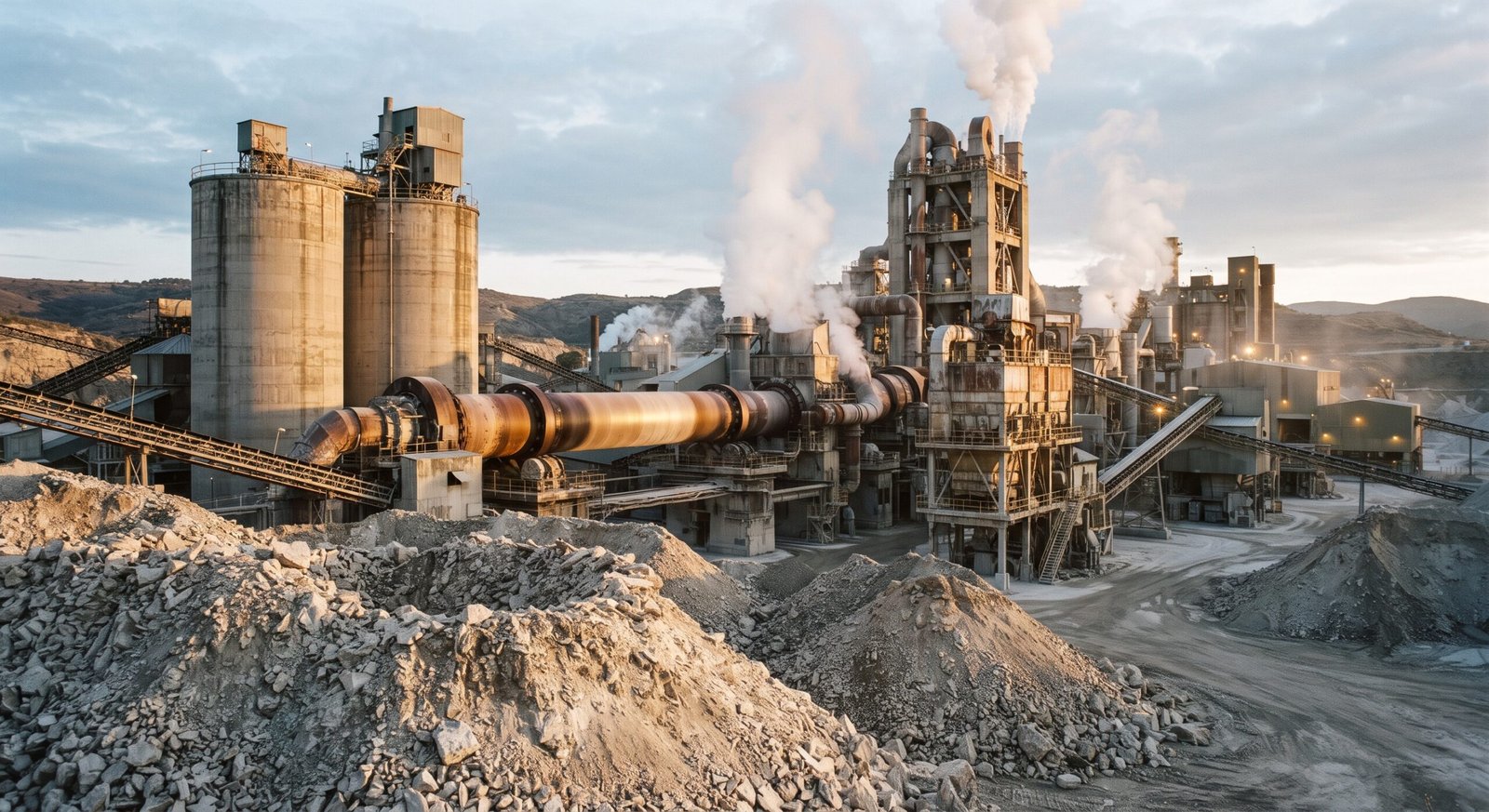
Fauji Cement Company Limited (FCCL) has announced a substantial 51% increase in its profit after tax for the first quarter of the 2026-2027 financial year, underscoring strong operational performance amid dynamic market conditions.
For the three months ended September 30, 2026, the company reported a net profit of Rs4.96 billion, up from Rs3.29 billion during the corresponding period last year. Consequently, basic and diluted earnings per share (EPS) jumped to Rs2.02, compared with Rs1.34 in the first quarter of the previous fiscal year.
Revenue Growth and Gross Margins
The impressive earnings growth was primarily driven by a solid double-digit expansion in the top line. Net revenue climbed 11.24% year-on-year to Rs26.05 billion from Rs23.42 billion. Crucially, the company managed to contain its direct manufacturing expenses; the cost of sales rose at a much slower pace of 4.06%, coming in at Rs16.69 billion compared to Rs16.04 billion in the same quarter last year.
This favorable disparity between revenue growth and the cost of production resulted in a 26.83% expansion in gross profit, which reached Rs9.36 billion up from Rs7.38 billion. This pushed the company’s gross profit margin up to 36%, compared to 32% in the previous year. The improved profitability margins are attributed to a combination of enhanced retention prices, higher local cement dispatches, and effective cost-optimization strategies.
Also Read: Strategic Shift: Citi Pharma Acquires Pakheim International To Enter Branded Medicine Market
Operating Expenses and Finance Cost Reduction
While gross profit surged, operating expenses also saw an upward trajectory. Selling and distribution expenses increased by 16.75% to Rs846.53 million, and administrative expenses rose 6.69% to Rs533.22 million. Furthermore, other expenses grew notably by 40.18% to Rs516.02 million, while other income saw a decline of 17.13% to Rs145.67 million. Despite these rising overheads, operating profit climbed a healthy 27.62% to Rs7.61 billion.
A major factor contributing to the bottom-line surge was a significant reduction in borrowing expenses. The company’s finance cost dropped by 37.12% to Rs714.08 million from Rs1.14 billion last year. Although finance income also declined by 34.04% to Rs308.15 million, the net finance cost still plummeted by 39.27% to Rs405.93 million.
Additionally, the income statement was bolstered by Rs496.37 million representing the company’s share of net profit from an investment under the equity method, an income stream that was entirely absent in the previous year.
Tax and Dividend Outlook
Profit before income tax grew 45.45% to Rs7.70 billion from Rs5.29 billion. This was partially offset by a heavier tax burden, with income tax expenses rising 36.58% to Rs2.74 billion, leaving a final net profit of Rs4.96 billion for the period.
Despite the strong quarterly financial performance, the Board of Directors did not recommend any cash dividend, bonus shares, or right shares for this quarter.